.png) 7 months ago
119
7 months ago
119

Upgrade to High-Speed Internet for only ₱1499/month!
Enjoy up to 100 Mbps fiber broadband, perfect for browsing, streaming, and gaming.
Visit Suniway.ph to learn
Alden Monzon - The Philippine Star
December 10, 2025 | 12:00am
In a report, the multilateral lender said that growth this year has been weighed down by lower local investments, weak business confidence, a sharp decline in foreign direct investments, as well as typhoon- and flood-related shocks that have delayed public projects.
STAR / File
MANILA, Philippines — The World Bank has cut its economic growth projection for the Philippines to 5.1 percent for 2025, marking its second downgrade this year amid weaker investment activity, soft external demand and recent domestic disruptions.
In a report, the multilateral lender said that growth this year has been weighed down by lower local investments, weak business confidence, a sharp decline in foreign direct investments, as well as typhoon- and flood-related shocks that have delayed public projects.
The World Bank said the slowdown has also been reflected in softer services exports, driven by weaker global demand for business services and fewer tourist arrivals.
Earlier in April, the bank lowered its forecast to 5.3 percent from 6.1 percent, and kept that projection unchanged in its June and October updates.
Despite the downgrade, the World Bank expects a modest increase in growth over the next two years – 5.3 percent in 2026 and 5.4 percent in 2027.
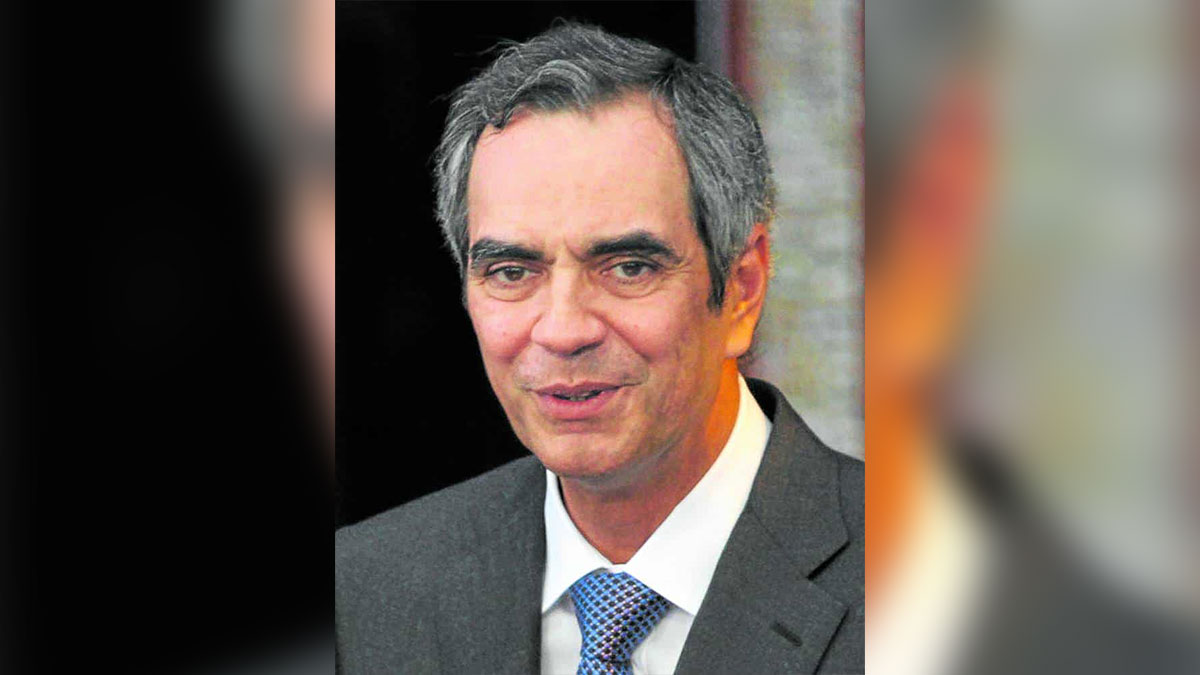
“The Philippines can leverage its strong economic foundations to implement bolder reforms that can unlock faster, more inclusive growth,” said World Bank division director for the Philippines, Malaysia and Brunei Zafer Mustafaoglu.
“Removing barriers that limit investment and productivity and strengthening competitiveness can create more and better-paying jobs, expand opportunities and reinforce economic resilience,” he added.
The recovery is seen to be supported by resilient private consumption as inflation eases, employment remains firm and monetary conditions loosen.
Investment activity is also expected to improve as infrastructure spending regains momentum and recent liberalization measures in telecoms, transport, logistics and renewable energy begin to take effect.
The report noted that the Philippines’ recent growth has leaned heavily on non-tradables such as construction, retail and domestic services, while burdensome regulations have kept manufacturing job creation flat and limited export growth. Strengthening competition in logistics and energy, as well as improving customs processes and simplifying permits, would help attract more private investment, it added.
The World Bank also emphasized the importance of harnessing high-potential urban corridors, where most wage jobs and productive firms are concentrated.It also recommended strengthening the capacity of local government units, which it said account for about a quarter of public spending.
Additionally, it stated that improved connectivity, targeted investments, and stronger local service delivery frameworks are crucial for sustaining growth and supporting more even economic development across regions.