 3 months ago
39
3 months ago
39

Upgrade to High-Speed Internet for only ₱1499/month!
Enjoy up to 100 Mbps fiber broadband, perfect for browsing, streaming, and gaming.
Visit Suniway.ph to learn
Jean Mangaluz - Philstar.com
March 26, 2026 | 5:26pm
Photos show an aerial shot of Quezon City on February 10, 2024.
The Philippine STAR / Michael Varcas
MANILA, Philippines — The Palace on Thursday, March 26, said that it welcomed suggestions of a wealth tax, but the country’s economic chief said that it was an “economist’s dream.”
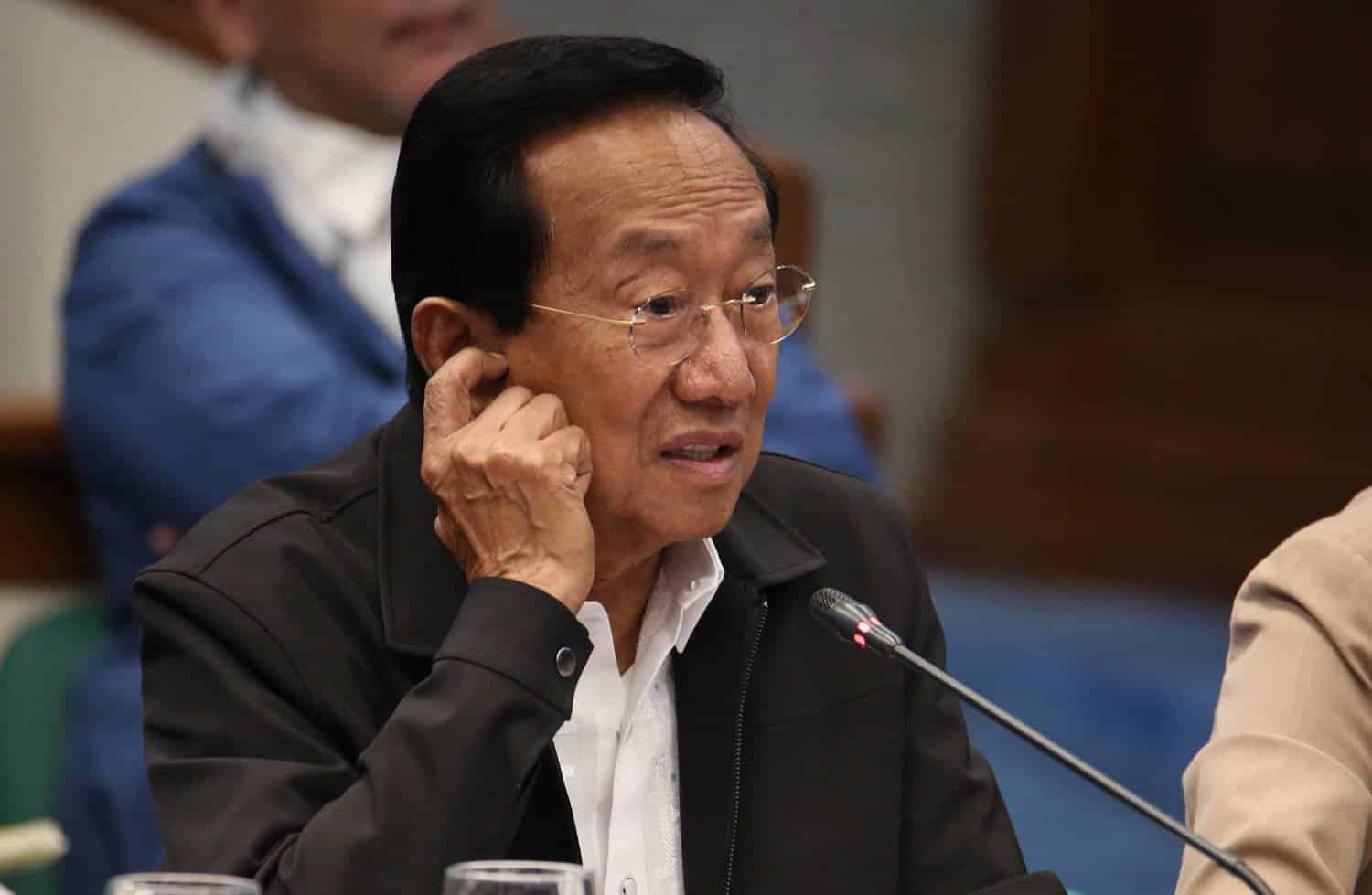
Former National Economic Development Authority Secretary Winnie Monsod has criticized the government’s decision to focus on suspending the excise tax, when it would have been more beneficial and efficient to tax the country’s wealthy.
Palace Press Officer Claire Castro said that all ideas are welcome, as President Ferdinand Marcos Jr. has said that nothing was off the table.
However, Castro also provided current Department of Economy, Planning, and Development (DEPDev) Secretary Arsenio Balisacan’s insights. Balisacan appeared to be neutral on the proposal.
“Imposing a wealth tax on the super wealthy is an economist’s dream because wealth tends to compound. A wealth tax slows wealth concentration over generations. Such concentration translates into political and economic power, leading to market failures, slowing economic growth, and further weakening inclusivity,” Balisacan said, as quoted by Castro during a press briefing.
However, Balisacan said that executing a wealth tax is difficult.
“Implementing or administering a wealth tax is never easy. Most countries that have tried it, such as Germany, France, and Sweden, abandoned it because of its administrative complexity and the low revenue it generated. Moreover, a wealth tax may encourage capital flight, especially when imposed during an economic crisis,” Balisacan added.
In a report from the IBON Foundation, 3,000 of the country’s richest have a combined net worth of P8.15 trillion. Imposing a wealth tax on them would result in a revenue of P500 billion—which would still leave them with a combined wealth of P7.64 trillion.
The country’s fuel prices have risen rapidly in the last few weeks as the United States-Israel war on Iran has dragged on.
The Philippines has declared a national state of energy emergency, the first country in the world to do so. Despite this proclamation, Marcos has reiterated that this was only to add more options for the government.