 1 month ago
28
1 month ago
28

Upgrade to High-Speed Internet for only ₱1499/month!
Enjoy up to 100 Mbps fiber broadband, perfect for browsing, streaming, and gaming.
Visit Suniway.ph to learn
Former president Rodrigo Duterte faces crimes against humanity of murder at the International Criminal Court over his bloody campaign supposedly against illegal drugs.
Philstar.com illustration
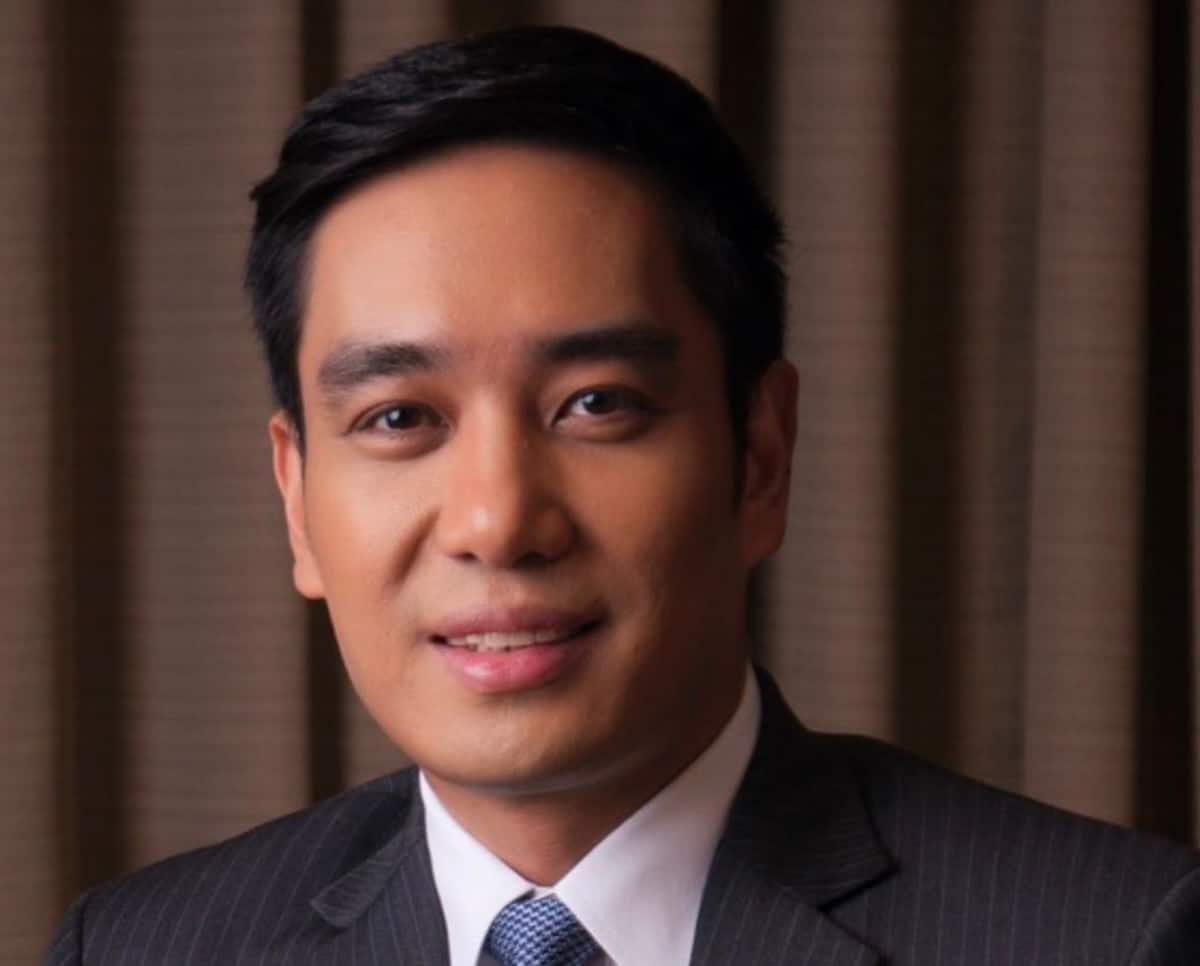
MANILA, Philippines — The International Criminal Court (ICC) prosecutors applied a higher standards in gathering evidence and building the case against former President Rodrigo Duterte due to the Philippines' current status as a non-member of the Rome Statute, former senator Antonio Trillanes IV said.
Trillanes, who filed the crimes against humanity complaint in 2017, said investigators anticipated limited cooperation from Philippine authorities and prepared evidence accordingly before seeking an arrest warrant.
“And because the Philippines is a non-member state, the threshold of evidence before they apply for a warrant of arrest is very high,” he said in an April 24 interview on ANC’s “Dateline Philippines."
“If we were a member, the threshold would only be probable cause. In our case… the evidence was already enough to convict,” he added.
Under Article 58 of ICC rules, pre-trial judges must determine there are “reasonable grounds to believe” a suspect committed a crime before issuing an arrest warrant, a standard broadly comparable to probable cause.
Trillanes said prosecutors went beyond that threshold in the Duterte case.
“When they apply for a warrant, the evidence they have should be able to stand in court until conviction,” he said.
The case easily met the standard required at the next stage, where judges assess whether there is sufficient evidence to proceed to trial, the former lawmaker said.
“Remember, the threshold for confirmation of charges is only probable cause. They had already far exceeded that,” Trillanes said.
Jurisdiction after withdrawal
The Philippines withdrew from the Rome Statute in March 2019 under Duterte, but the ICC has maintained it retains jurisdiction over alleged crimes committed while the country was still a member until 2019.
The court’s Appeals Chamber has since affirmed that position, allowing the case to proceed.
Legal analysts have said this distinction is central, as it enables the ICC to investigate alleged abuses tied to Duterte’s anti-drug campaign before the withdrawal took effect.
Trillanes said the ICC’s approach reflects its role as a “court of last resort,” particularly in cases where mechanisms for accountability at home are limited.
The higher evidentiary threshold, he said, helps ensure that cases brought before the tribunal are trial-ready even before suspects are arrested or transferred to The Hague.