 3 months ago
47
3 months ago
47

Upgrade to High-Speed Internet for only ₱1499/month!
Enjoy up to 100 Mbps fiber broadband, perfect for browsing, streaming, and gaming.
Visit Suniway.ph to learn
Neil Jayson Servallos - The Philippine Star
February 17, 2026 | 12:00am
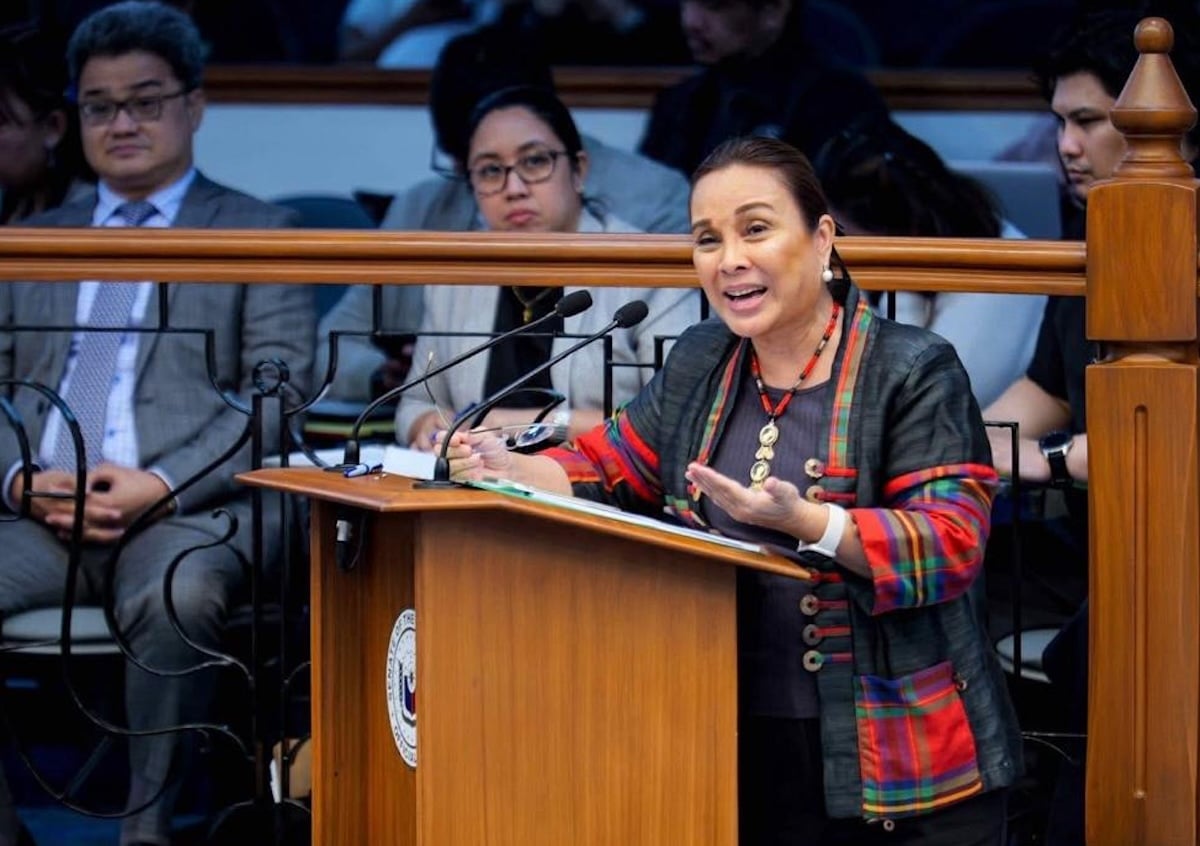
MANILA, Philippines — The proposed ban on political dynasties will not spare unmarried couples or domestic partners, as long as they share a common household, Sen. Risa Hontiveros clarified yesterday.
During the fourth consultative meeting of the Senate committee on electoral reforms and people’s participation in Marilao, Bulacan, the deputy majority leader addressed concerns regarding potential loopholes in the proposed bill, specifically regarding relationships outside of marriage.
Hontiveros said the bill’s definition of a dynasty extends beyond civil or church marriages to close potential loopholes.
“Even if they aren’t married… as long as they share a home and introduce themselves as a couple, it will be covered by the ban,” she noted.
The clarification came after Marilao Mayor Jemina Sy asked if a “future spouse” or boyfriend serving in another locale would be affected.
Hontiveros, who chairs the committee tackling the dynasty bills, said the ban applies even to officials who enter into a relationship while already in office.
“If originally we have two mayors from different towns but while in office they got together and became a couple, next election, they will be covered by the ban if they are cohabiting,” she stressed.
Debates also arose regarding the ban’s reach, with Sy arguing that limiting the prohibition to the second degree of consanguinity (siblings, grandparents) is sufficient, claiming influence dilutes with distant relatives.
“The flow of wealth or the influence, it is no longer transferred that far,” Sy said, suggesting that relatives in the fourth degree could be considered separate households.
However, Manuel Bernas of the Model SK Network countered that in the Philippines’ “family-centric” culture, the ban must extend to the fourth degree (first cousins) to be effective.
Meanwhile, Angeles City Vice Mayor Amos Rivera suggested a gradual approach, or “baby steps,” proposing that Congress implement the ban at the local level first if a national law proves too difficult to pass.
Rivera also advised rebranding the measure to sound less combative to incumbent officials.
To aid enforcement, lawyer JT Santos of the Pampanga State University School of Law proposed a mandatory disclosure policy where candidates must declare incumbent relatives under pain of penalty. — Ramon Efren Lazaro