 2 months ago
33
2 months ago
33

Upgrade to High-Speed Internet for only ₱1499/month!
Enjoy up to 100 Mbps fiber broadband, perfect for browsing, streaming, and gaming.
Visit Suniway.ph to learn
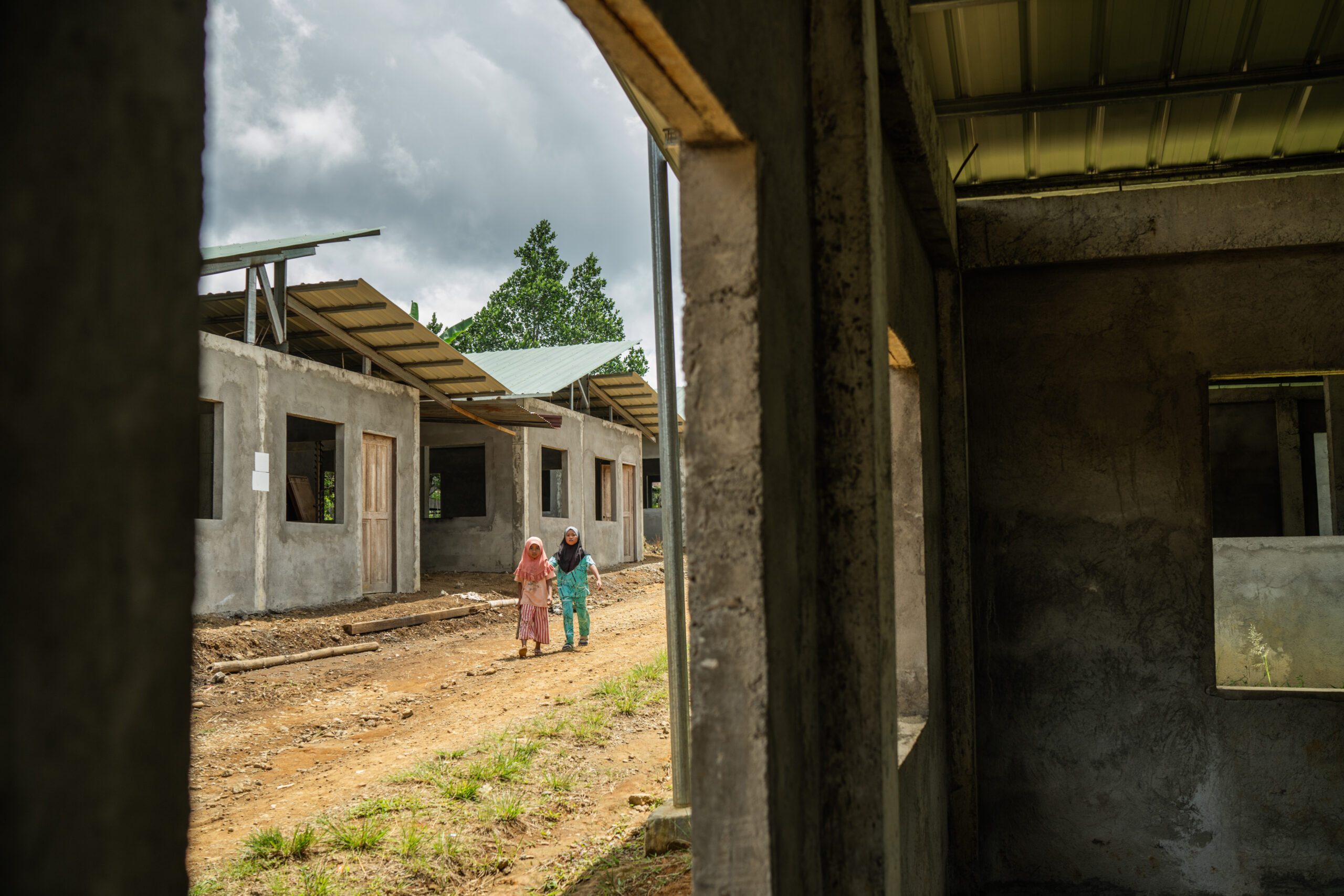
INCOMPLETE. Unfinished houses meant for decommissioned MILF combatants stand idle and unused inside the camp in Maguing town, Lanao del Sur.
Martin San Diego/Rappler
The absence of a national law for transitional justice for the Bangsamoro is ironic for many peace practitioners, as reparations can only be made by the Philippine government
MANILA, Philippines – Peace advocates doubled down on the need for a national law that will implement transitional justice and reconciliation for the Bangsamoro people.
A bill on this has been pending in Congress even though the Bangsamoro government already passed its regional counterpart, the Bangsamoro Autonomy Act No. 89 (BAA No. 89). Many peace practitioners find the absence of a national law ironic because reparations can only be made by the Philippine government.
MILF peace implementing panel chair Mohagher Iqbal said this should be a priority of the Marcos administration. He rallied other peace actors to work on raising the national consciousness on Bangsamoro transitional justice.
“For TJR (Transitional Justice and Reconciliation) to pass Congress, there must be a champion or champions, not only in the House of Representatives, but even in the Senate,” Iqbal said on Tuesday, July 7, in a forum in Quezon City. “And it should become a priority legislation.”
“We need to popularize the issue of TJR,” said Iqbal. “We need support nationally.”
Transitional justice is part and parcel of the Bangsamoro peace process. Moros continue to find healing from the long-running conflict. Among the major roots of the Moro struggle are: the 1898 Treaty of Paris; state-sponsored resettlement programs in Mindanao during the Commonwealth period; 1968 Jabidah Massacre.
Iona Jalijali, Philippine representative of the Centre for Humanitarian Dialogue, said there is a need to engage more legislators, regardless of their political party or bloc.
“This should be a national project,” Jalijali said in the forum. “It should be the commitment of the national government.”
Akbayan representatives and Dinagat Islands Representative Kaka Bag-ao filed the bill on transitional justice last year but it has not progressed much since.
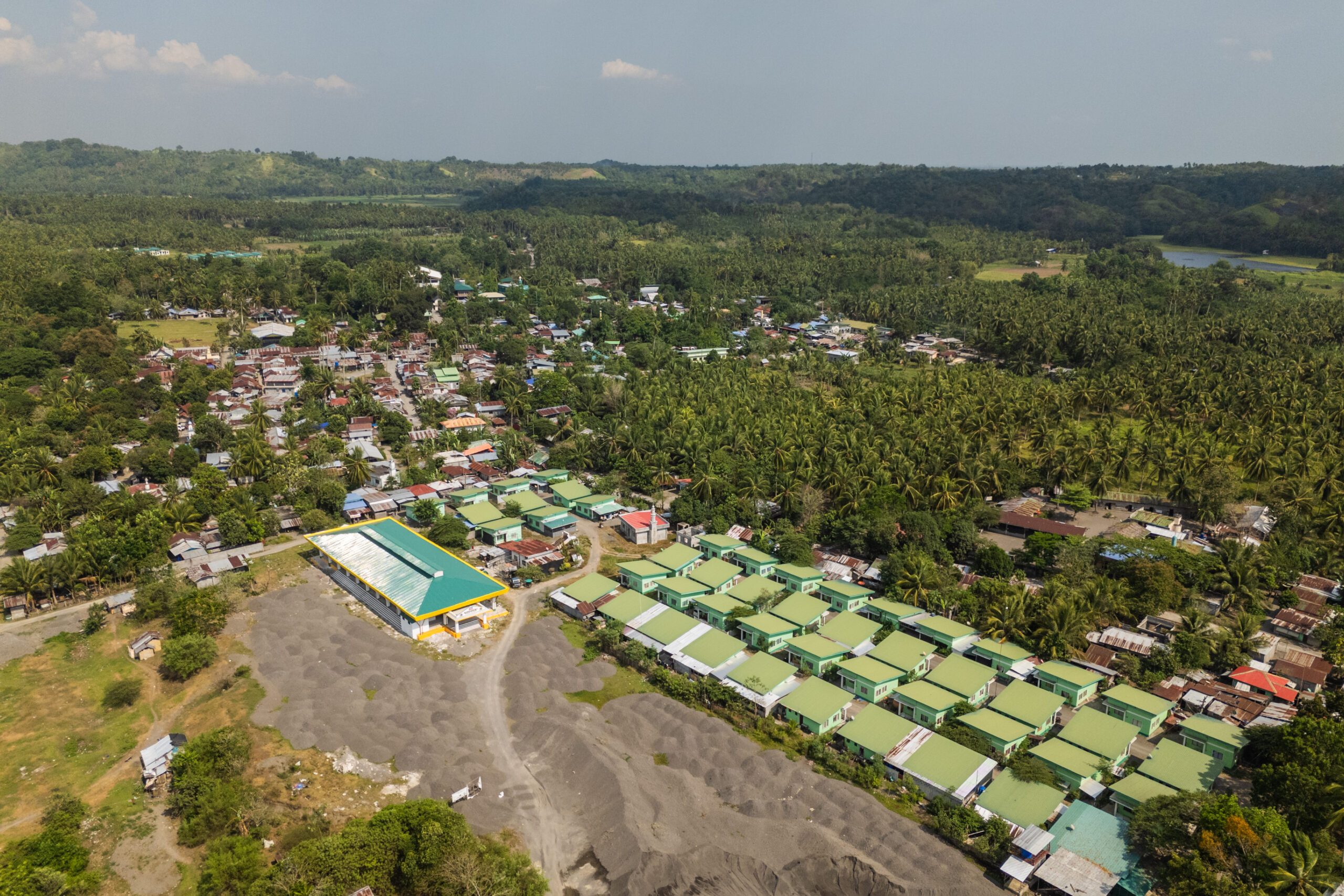 DARAPANAN. Government housing for former rebels is seen in Camp Darapanan, one of the Moro Islamic Liberation Front’s biggest strongholds. The camp, formerly a site of confrontation between the Philippine government and the MILF, is now being transformed into a productive and thriving community following the establishment of BARMM in 2019. Photo by Martin San Diego/Rappler
Keeping the memory, exacting reparations
A big part of transitional justice is retaining the historical memory and narratives of the Bangsamoro people, including the injustices they suffered.
Knowledge of memory and narratives can help answer questions that may surface for people outside the region: Why is there a need for reparations in the Bangsamoro? Why did revolutionary groups fight for autonomy? Why is there a peace deal between the Philippine government and the MILF?
In the regional law or BAA No. 89, the Bangsamoro Transitional Justice and Reconciliation Commission is tasked, among other things, to conduct information campaigns and establish museums and memorials. This regional commission can start investigations and fact-finding activities on grievances and human rights violations, and recommend legal action.
For many peace advocates, educating the youth on Bangsamoro history cannot be done in the region alone. “We want Bangsamoro history taught throughout the entire country,” former peace adviser Teresita Quintos Deles said in the forum.
“You need a national law for that. Reparations cannot be just within the Bangsamoro. It cannot be just the Bangsamoro providing preparations for victims.”
A national law, if enacted, will create the National Transitional Justice and Reconciliation Commission for the Bangsamoro. The bill has been pending at the committee level since July 2025. In lieu of legislation, the Philippine government implements transitional justice and reconciliation program for the Bangsamoro through Executive Order 79.

Land holds memory
Transitional justice hopes to address land dispossession.
In a parallel effort, the national government has completed the land inventory of six MILF camps, an initiative that will start addressing land-related issues in the Bangsamoro. The team mapped the barangay (village) down to the sitio and the parcels of land.
Maria Carmen Fernandez, who led the inventory project, said they covered as well the “customary, historical, and constructive land arrangements” across camps, and put on the map the combatants and their families who “don’t exist on most records.”
“What was important was the histories provided by these families,” Fernandez said.” We were talking about the genealogies of the families, reaching back to hundreds of years, and histories of displacement.”
The inventory project found that many residing in camps do not have secure tenure, land records at different levels of government are divergent and overlapping, and climate risks are present across all camps.
Under the new law, the regional commission for transitional justice should “document and publish an official narration of Bangsamoro land dispossession and marginalization” and recommend reforms in land services.
This narration includes land dispossession outside the Bangsamoro Autonomous Region that has harmed Moros and non-Moro indigenous people. – Rappler.com