1 day ago
1
1 day ago
1

Upgrade to High-Speed Internet for only ₱1499/month!
Enjoy up to 100 Mbps fiber broadband, perfect for browsing, streaming, and gaming.
Visit Suniway.ph to learn
Keisha Ta-Asan - The Philippine Star
November 30, 2025 | 12:00am
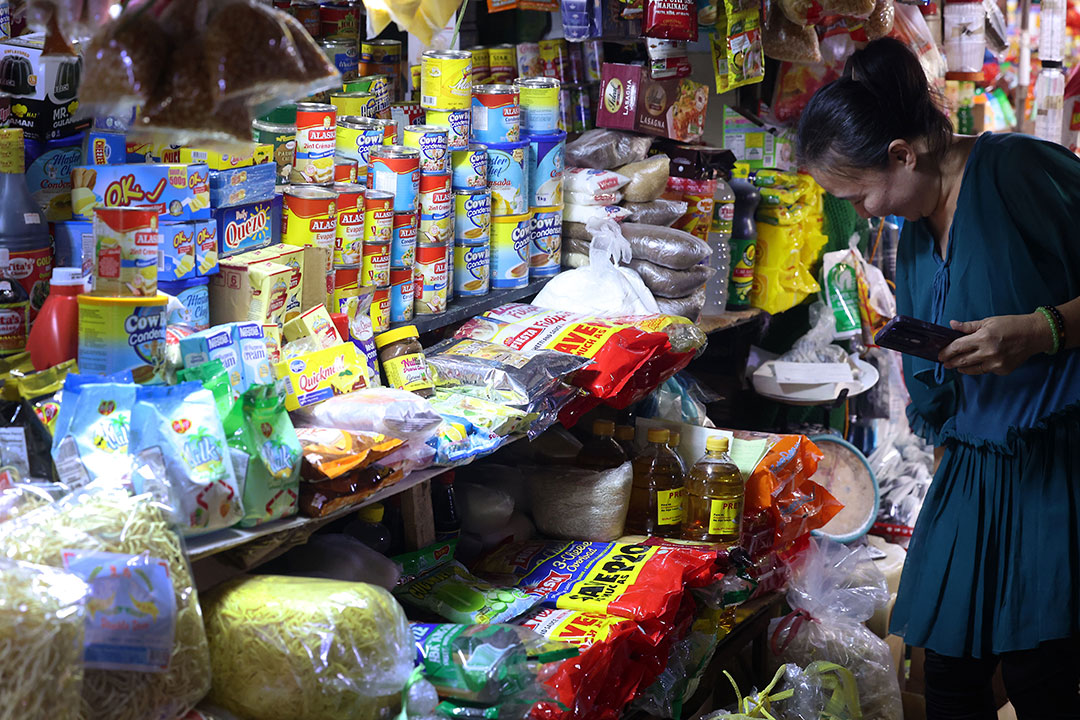
Weather-related supply disruptions are expected to create an upward pressure on prices.
STAR / File
But weather disruptions may nudge prices higher
MANILA, Philippines — November inflation is expected to remain subdued but may post a slight uptick due to weather-related supply disruptions, according to the Bangko Sentral ng Pilipinas (BSP).
In its month-ahead forecast, the central bank said that consumer prices for the month are likely to settle between 1.1 percent and 1.9 percent.
The top end of the range, if realized, would mark the highest inflation print in nine months, or since February’s 2.1 percent.
“Upward price pressures for the month reflect in part the impact of inclement weather as prices of rice, fish and fruits increased,” the central bank said.
“Higher electricity and oil prices, as well as the depreciation of the peso could also contribute to price pressures.” These factors, however, may have been tempered by cheaper meat and vegetables
The forecast comes after inflation held steady at 1.7 percent in October, bringing the 10-month average also to 1.7 percent. Inflation has been below the BSP’s two to four target range for eight straight months.
“Going forward, the BSP will continue to monitor evolving domestic and international developments affecting the outlook for inflation and growth in line with its data-dependent approach to monetary policy formulation,” it said.
Cooling inflation has fueled expectations that monetary easing may soon be on the table. Last week, BSP Governor Eli Remolona Jr. said the Monetary Board could cut policy rates again at its Dec. 11 meeting.
However, he ruled out a jumbo cut, noting that the next rate cut will likely be another “baby step” or by 25 basis points (bps).
The Monetary Board delivered a 25-bp cut at its Oct. 9 meeting, bringing the benchmark policy rate to an over three-year low of 4.75%, as both its economic outlook and investor confidence weakened amid the flood control corruption scandal.
It has so far lowered borrowing costs by a total of 175 bps since it began its easing cycle in August 2024.