 5 months ago
62
5 months ago
62

Upgrade to High-Speed Internet for only ₱1499/month!
Enjoy up to 100 Mbps fiber broadband, perfect for browsing, streaming, and gaming.
Visit Suniway.ph to learn
Already have Rappler+?
to listen to groundbreaking journalism.
This is AI generated summarization, which may have errors. For context, always refer to the full article.
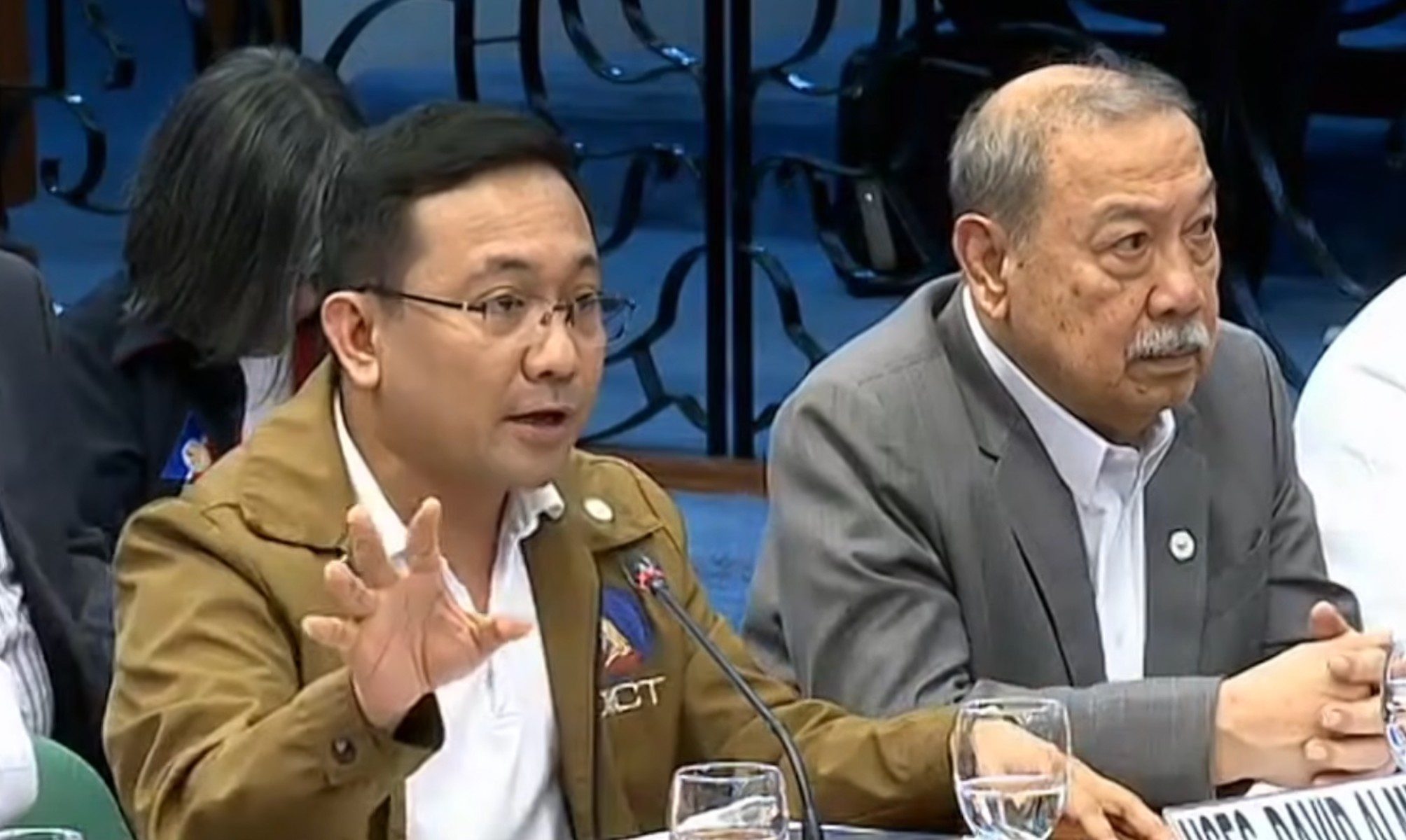
ALMIROL. Undersecretary for e-Government David Almirol Jr. explains the eGov outage on Wednesday, April 29, 2026
Screenshot from YouTube livestream
The eGov outage is traced to user surge and under-resourced backend, with DICT citing unreleased 2025 funds
MANILA, Philippines – The Senate’s Proactive Response and Oversight for Timely and Effective Crisis Strategy (PROTECT) Committee on Wednesday, April 29, examined the integration of the National ID system for beneficiaries of the Pantawid Pamilyang Pilipino Program (4Ps).
Questioning from Senator Bam Aquino revealed technical and budget constraints behind the instability of the eGovPH Super App, which went down for two days in mid-April.
The outage, officials said, was triggered by a surge in users following the rollout of new features, including the National ID e-Verify platform.
DICT Undersecretary for e-Government David Almirol Jr. said the system struggled to keep up with simultaneous use across both public and private sectors.
“We already have 91 million [registered on the National ID e-Verify platform]. When we launched it, banks, GCash, Maya, and even the DSWD started using it all at once,” Almirol told senators.
But the backend infrastructure was not built to absorb that spike.
Because the digital National ID platform was out of their initiative, Almirol said the agency had to stretch limited resources.
“We economized on resources. Whatever savings we had from our cloud services, that’s what we used to launch the digital National ID,” he said.
He added that the agency did not anticipate the scale of adoption once e-wallet providers and government agencies fully integrated the system.
“When e-wallet integrators and government agencies activated it, the system got overwhelmed,” he said.
Almirol also noted that their infrastructure supports around 3,000 servers, 95% of which host systems from other government agencies, further straining available resources. He said the DICT is now looking to decentralize this setup.
Aquino, however, said the explanation was insufficient.
“You need to subscribe to a higher tier. Usually, you just pay — and that solves your problem,” Aquino said, referring to scalable cloud infrastructure.
“Clearly, that’s not acceptable.”
Almirol said P500 million had been allocated for the digital National ID in 2025, but the funds were not released after the DICT failed to meet its budget utilization rate.
Department of Budget and Management Undersecretary Mary Anne dela Vega, meanwhile, said 95% of the DICT’s 2026 budget had already been released.
Aquino clarified that the issue raised referred to the 2025 allocation. He directed both agencies to reconcile the matter outside the hearing.
He stressed that outages in critical systems are unacceptable, especially those tied to identity verification and aid distribution.
“Hindi siya puwedeng naka-down…hindi katanggap-tanggap na i-down natin ‘yan dahil wala tayong pambayad,” Aquino said.
(It shouldn’t go down. It’s not acceptable for it to be offline because we failed to pay for it.) – Rappler.com
How does this make you feel?
Loading