 2 months ago
71
2 months ago
71

Upgrade to High-Speed Internet for only ₱1499/month!
Enjoy up to 100 Mbps fiber broadband, perfect for browsing, streaming, and gaming.
Visit Suniway.ph to learn
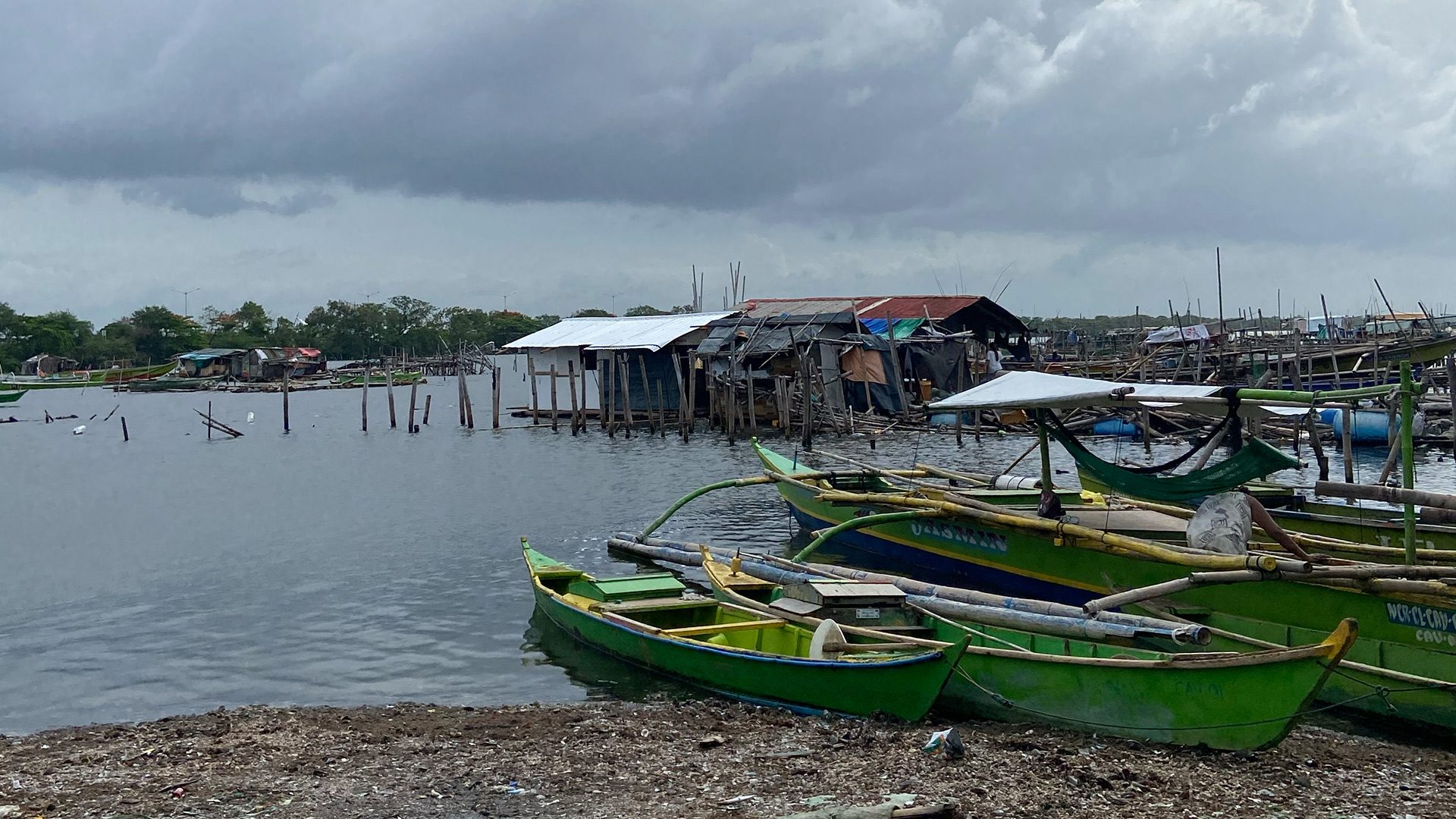
FISHING COMMUNITY. Fishing boats are moored beside stilt houses along a coastal community under overcast skies in Cavite.
Axel Cainglet/Rappler
The Revillas have pushed for a reclamation project that will encroach into parts of the 385-hectare expanse of the coast
CAVITE, Philippines – Nenita Reyes, 62, has been a seashell farmer along Bacoor Bay since the 1960s, selling her harvests of tahong (mussels) and talaba (oysters) at the nearby talipapa (makeshift wet market) stall in Barangay Sinbanali.
Bacoor is Cavite’s top producer of mussels, harvesting an average of over 6,000 metric tons per year. In 2021, its 6,669 metric tons represented the province’s entire catch.
That livelihood for the residents and economic advantage for the city are now threatened. The ruling family, the Revillas, pushed for a reclamation project that will encroach into parts of the 385-hectare expanse of the coast. There are more than 400 mussel and oyster farms within that area.
“Lahat ng tao rito [sa Talaba], ganyan ang trabaho — mga mandaragat,” said Reyes. “Dati nung hindi pa natatambakan [‘yung dagat], maraming nakukuha pati isda, alimasag, squid. Ngayong wala nang makuha d’yan, doon na kami sa gitna ng dagat nakakakuha.”
(That’s what people in this village do for a living — shellfish diggers. Before they dumped soil [into the sea], we had a rich harvest, including fish, crabs, squid. Now, we yield nothing there; we have to go farther into the sea.)
Tahong farmer Ryan Modesto, 40, laments the decline in harvest since the reclamation project began. Mussel digging has been his livelihood for over 20 years.
“Nung mga nakaraang taon, umaabot ng 30 hanggang 50 sakong ’yung nakukuha; ngayon, 20 na lang. Nababawasan ’yung huli kasi lumiliit ’yung area ng tahungan ng Bacoor,” said Modesto.
(Last year, we could harvest 30 to 50 sacks of mussels; they are down to 20 now. We harvest less because the area we could farm has become smaller.)
ALSO ON RAPPLER
- Manila Bay reclamation harms fishers, marine habitats, experts say
- Fishers group to DA chief: Withdraw family’s reclamation project in Manila Bay
- ‘Ang kapal-kapal ng mukha ’nyo’: Villar loses cool over ‘unapproved’ reclamation projects
- Bacoor reclamation plan questioned at Ombudsman
P41.7-billion project
In 2016, the Philippine Reclamation Authority (PRA) entered into a memorandum of understanding with the city government of Bacoor to reclaim 320 hectares land for a development project.
Amounting to P41.7 billion, the project can supposedly create new livelihood opportunities for residents.
In a consultation prior to the start of the reclamation, then-mayor Lani Mercado-Revilla told residents, “Reclamation ang nakikitang tugon para sa pangangailangan natin ng karagdagang lupain upang isulong ang pag-unlad ng ating lungsod.”
(Reclamation is the answer to our need for additional land for the continued progress of our city.)
Lani, now the city’s congresswoman, has been succeeded by her brother in law, Strike, as mayor. The vice mayor is the Revillas’ sister, Rowena Bautista-Mendiola. (READ: Political Dynasties 2022: Revillas now the largest in Cavite | WATCH: Revilla dynasty dominates in 2025 polls in Cavite, other families thrive)
Stopped, then resumed
Since 2020, the fisherfolk group Pamalakaya (Pambansang Lakas ng Kilusang Mamamalakaya ng Pilipinas) has been opposing the said developmental projects in Bacoor, saying they damage the mangroves and fishing areas in the city.
Under Revised Forestry Code, mangrove trees are considered public forest areas. The law mandates the conservation of areas at least 20 meters from the community shoreline.
However, the 320-hectare reclamation project will destroy 150 hectares of mussel farms. At least 1,000 families will lose their source of livelihood, according to Bacoor City Agriculture Officer-in-charge Allan Guevarra Chua.
The protests from the community led President Ferdinand Marcos Jr. in 2023 to temporarily halt the project. However, the PRA announced just last June that the reclamation activities will resume in the second half of 2026.
The government promises to designate 154 hectares as aquaculture zone for residents. This, however, will require fresh capital from them to build new seashell farms. They ask the government for a more sustainable kind of support.
“Alam ‘nyo naman sila, mayayaman, kami tindera lang. Maraming magtatahong at mangingisda ang naapektuhan dahil tinatambakan nila,” Reyes said.
“They are rich, what would they know about us vendors? A lot of mussel diggers and fishermen have been affected because they reclaimed land from the sea.) – Rappler.com
Axel John Cainglet is a BA Political Science student at the University of the Philippines Manila. An Aries Rufo Journalism Fellow for 2026, he is also the news editor of The Manila Collegian.