.png) 1 week ago
2
1 week ago
2

Upgrade to High-Speed Internet for only ₱1499/month!
Enjoy up to 100 Mbps fiber broadband, perfect for browsing, streaming, and gaming.
Visit Suniway.ph to learn
Keisha Ta-Asan - The Philippine Star
April 16, 2026 | 12:00am
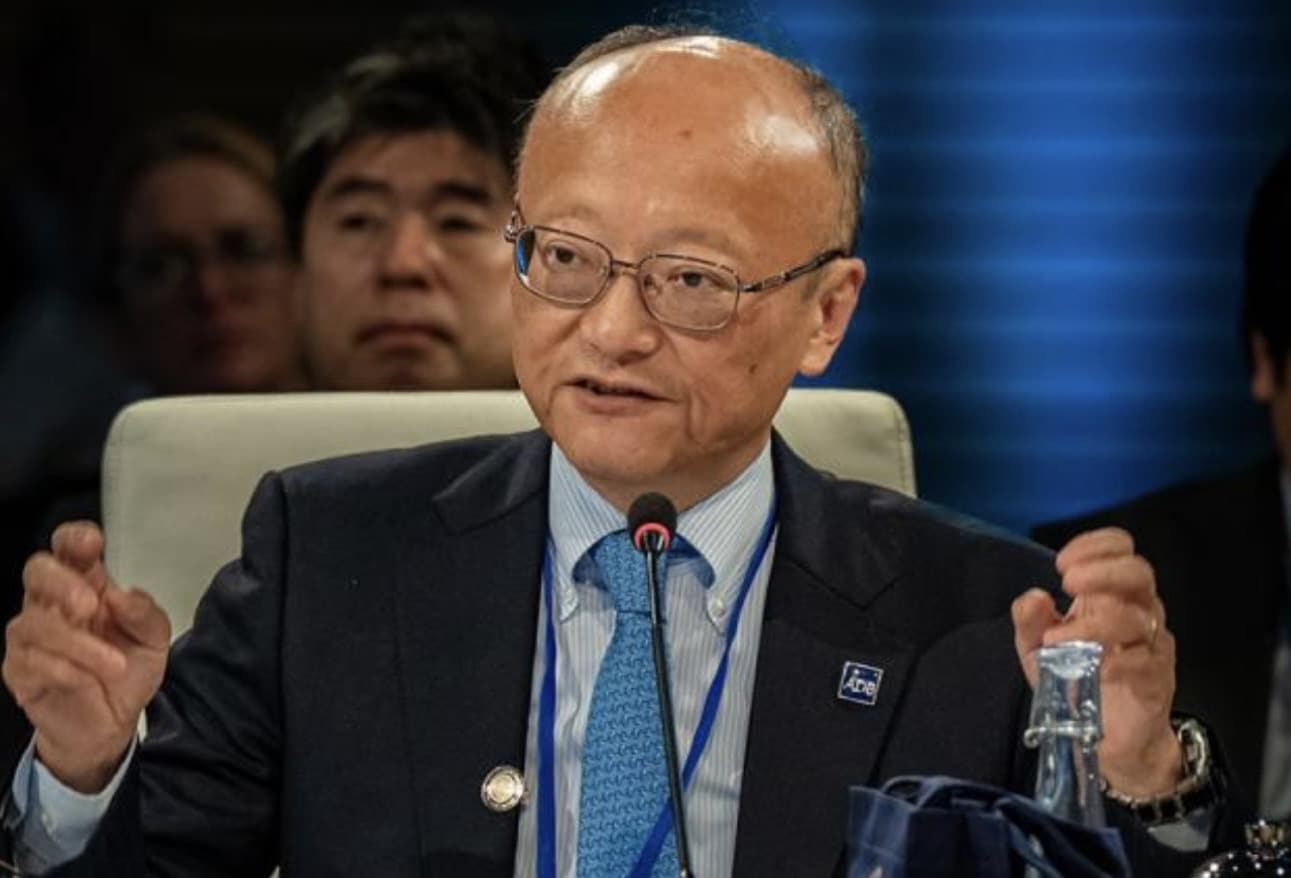
Data from the Bangko Sentral ng Pilipinas showed that cash remittances reached $2.79 billion in February, 2.6 percent higher than the $2.72 billion in the same month last year.
STAR / File
Up 2.6% to $2.79 billion
MANILA, Philippines — Money sent home by overseas Filipinos continued to grow in February, providing steady support to household spending and the broader economy despite rising global uncertainties.
Data from the Bangko Sentral ng Pilipinas (BSP) showed that cash remittances reached $2.79 billion in February, 2.6 percent higher than the $2.72 billion in the same month last year.
Including transfers coursed through informal channels and in kind, personal remittances increased to $3.1 billion, likewise rising by 2.6 percent from $3.02 billion a year earlier.
On a cumulative basis, cash remittances in the first two months expanded by 3.1 percent to $5.81 billion from $5.63 billion in the same period in 2025, while personal remittances rose by 3.1 percent to $6.46 billion from $6.27 billion.
Despite the annual increase, February cash remittances marked the lowest level in nine months or since May 2025, reflecting typical seasonal easing after the holiday-driven surge at the end of the previous year.
The United States continued to be the largest source of remittances, followed by Singapore, Saudi Arabia, Japan, United Kingdom, United Arab Emirates, Canada, Taiwan, Qatar and Hong Kong.
Jonathan Ravelas, senior adviser at Reyes Tacandong & Co., said the moderation in February should not be viewed as a cause for concern.
“What we’re seeing is a temporary dip, not a red flag. February is usually a softer month due to seasonality, and higher living costs abroad mean overseas Filipinos are being more careful – even as remittances still grew year-on-year,” Ravelas said.
Chinabank chief economist Domini Velasquez said remittance growth eased to a 20-month low of 2.6 percent in February, partly reflecting softer inflows from the United States.
She noted that the one percent excise tax on remittance transfers from the US, introduced at the start of 2026 under the One Big Beautiful Act, may have dampened flows and pushed some overseas Filipinos to shift to alternative transfer channels.
Velasquez also pointed to weaker labor market conditions in the US that may have weighed on remittances from Filipino workers.
“In the near term, rising domestic consumer prices – driven largely by increased fuel costs – could prompt overseas Filipinos to send more money home to help cover rising household expenses. This could offset the losses from repatriation of some OFWs from the Middle East,” she said.
Ravelas added that global risks could temper growth in the coming months.
“Looking ahead, inflation, slower global growth and higher fuel prices linked to Middle East tensions may cap remittance growth in the near term, keeping it in low single digits. But structurally, remittances remain resilient – overseas Filipinos tend to step up support during tough times,” he said.
“The key message is this: remittances will continue to cushion Filipino households, but they won’t be a growth booster on their own, so the economy needs broader drivers to carry momentum this year.”
Remittances are crucial to the economy because they directly support household consumption, which is a major driver of economic growth, while also providing a stable source of foreign exchange that helps finance the country’s trade deficit and stabilize the peso.
The BSP projects cash remittances to expand by three percent in 2026 and 2027.