.png) 4 months ago
56
4 months ago
56

Upgrade to High-Speed Internet for only ₱1499/month!
Enjoy up to 100 Mbps fiber broadband, perfect for browsing, streaming, and gaming.
Visit Suniway.ph to learn
Keisha Ta-Asan - The Philippine Star
April 6, 2026 | 12:00am
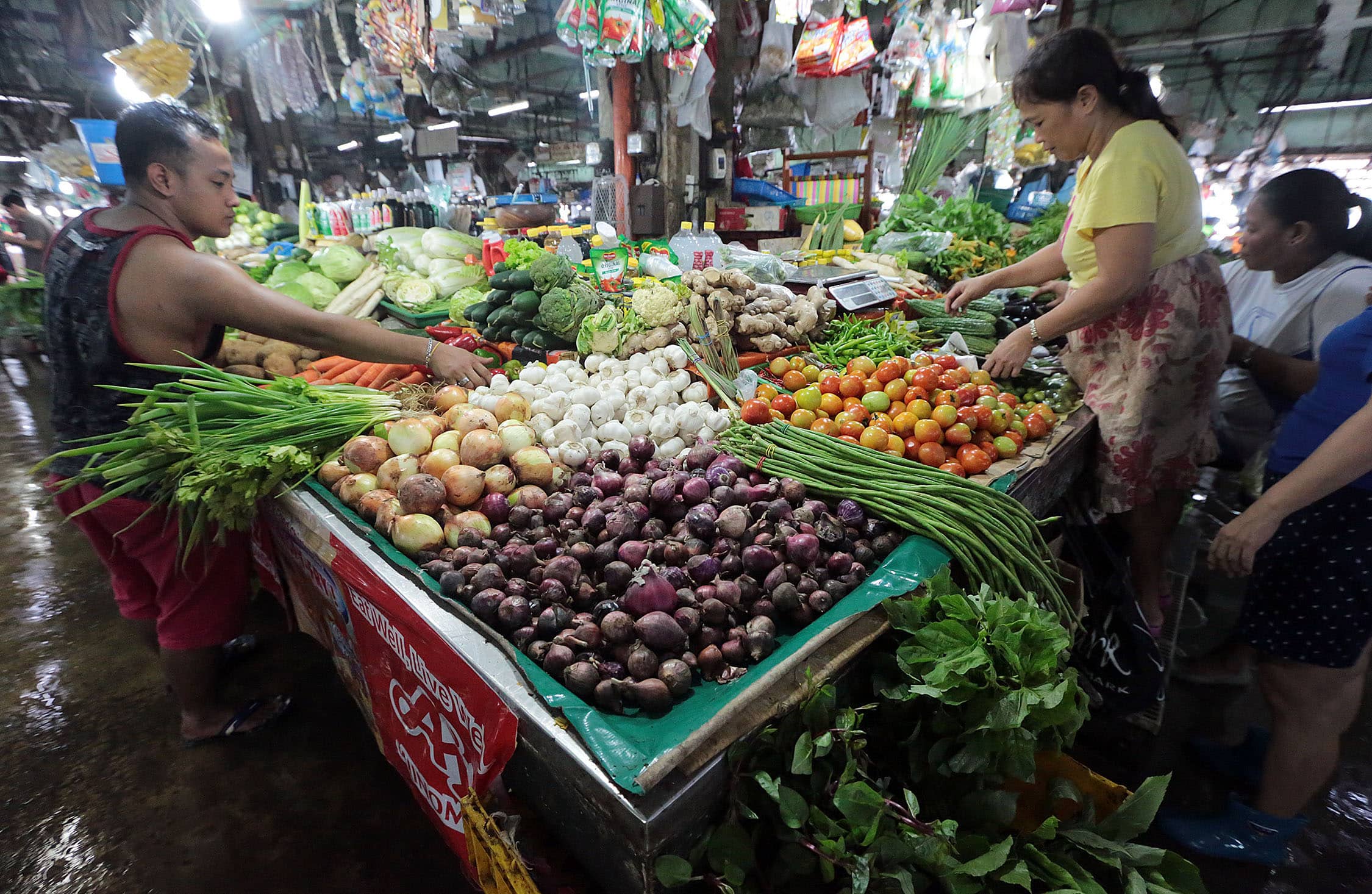
MANILA, Philippines — Headline inflation likely accelerated in March from 2.4 percent in February, with economists expecting a widespread rise in prices driven by surging oil costs, higher electricity rates and continued pressure on food.
Estimates from analysts ranged from 3.5 percent to as high as 4.3 percent, pointing to intensifying supply-side pressures that could push inflation closer to the Bangko Sentral ng Pilipinas (BSP)’s two- to four-percent target ceiling.
If inflation lands near the upper end of estimates, it could mark the fastest pace since July 2024’s 4.4 percent print. The Philippine Statistics Authority is scheduled to release the March inflation data tomorrow.
Metrobank chief economist Nicholas Mapa gave the highest estimate at 4.3 percent, saying the latest inflation print and shifts in expectations would be critical for the BSP’s policy outlook.
He noted that the March data “will figure a great deal with the BSP at its policy meeting,” particularly as policymakers assess whether rising price pressures could spill over into broader inflation dynamics.
UnionBank chief economist Ruben Carlo Asuncion expects inflation to reach 4.2 percent, driven by a combination of base effects and higher food prices, especially rice and other staples.
He said that tighter domestic supply conditions and lingering import-related costs continue to put upward pressure on food inflation, while transport and utility costs likely rose alongside global oil prices.
“The persistence of supply?side pressures raises the risk of second?round effects, particularly through higher transport fares, electricity costs and wage?related adjustments,” Asuncion said.
In this context, the BSP may adopt a more cautious stance.
“The inflation outlook may reinforce a more cautious, risk-management stance, with the BSP likely to prioritize anchoring inflation expectations, implying a prolonged hold – and potentially tighter policy – should upside risks continue to materialize,” Asuncion said.
BPI lead economist Jun Neri estimates inflation at 3.9 percent, citing a “notable jump in price pressures” driven by stronger pass-through from oil to domestic prices.
He said the current oil shock appears more intense than previous episodes. Rising fuel prices are beginning to affect transport costs and inflation expectations, increasing the risk of second-round effects.
“The March print likely marks the beginning of an upward trajectory, with risks that headline inflation could breach four percent in the near term, and full-year average inflation potentially exceed five percent if oil prices remain elevated (above $90) for a prolonged period,” Neri said.
The BPI economist said that historical experience suggests sustained supply shocks eventually bleed into demand, increasing the likelihood of a more hawkish shift if inflation expectations drift.
“The BSP will likely become more agile amid this fluid situation to make the necessary tightening adjustments to ensure that the economy does not suffer further from this crisis if inflation expectations are de-anchored,” Neri added.
PNB economist Alvin Arogo forecasts inflation at 3.7 percent, revising his estimate upward from 3.1 percent as fuel price increases exceeded expectations.
“We forecast that inflation quickened to 3.7 percent in March mainly due to the spike in oil prices,” Arogo said. “The increase in the pump prices of diesel and gasoline overshot the rise in the cost of Dubai crude.”
Meanwhile, Chinabank chief economist Domini Velasquez gave the lowest estimate at 3.5 percent, pointing to faster price increases in fuel, cooking gas and electricity. But this would likely be offset by declines in vegetables, meat and fish.
Looking ahead, she warned that inflation could soon breach the BSP’s target. “Inflation will likely breach the BSP’s two to four percent tolerance band starting next month, especially if the conflict in the Middle East becomes persistent,” she said.
The inflation outlook has taken on greater importance following the BSP’s recent off-cycle policy meeting, where it kept interest rates steady at 4.25 percent despite rising price pressures.
The central bank has said inflation remains largely supply-driven, limiting the effectiveness of monetary tightening in the near term, but flagged the need to watch for second-round effects such as higher transport fares, electricity rates and wages.
The BSP is scheduled to meet on April 23 to discuss policy.