.png) 6 months ago
72
6 months ago
72

Upgrade to High-Speed Internet for only ₱1499/month!
Enjoy up to 100 Mbps fiber broadband, perfect for browsing, streaming, and gaming.
Visit Suniway.ph to learn
The Philippine Star
January 31, 2026 | 12:00am
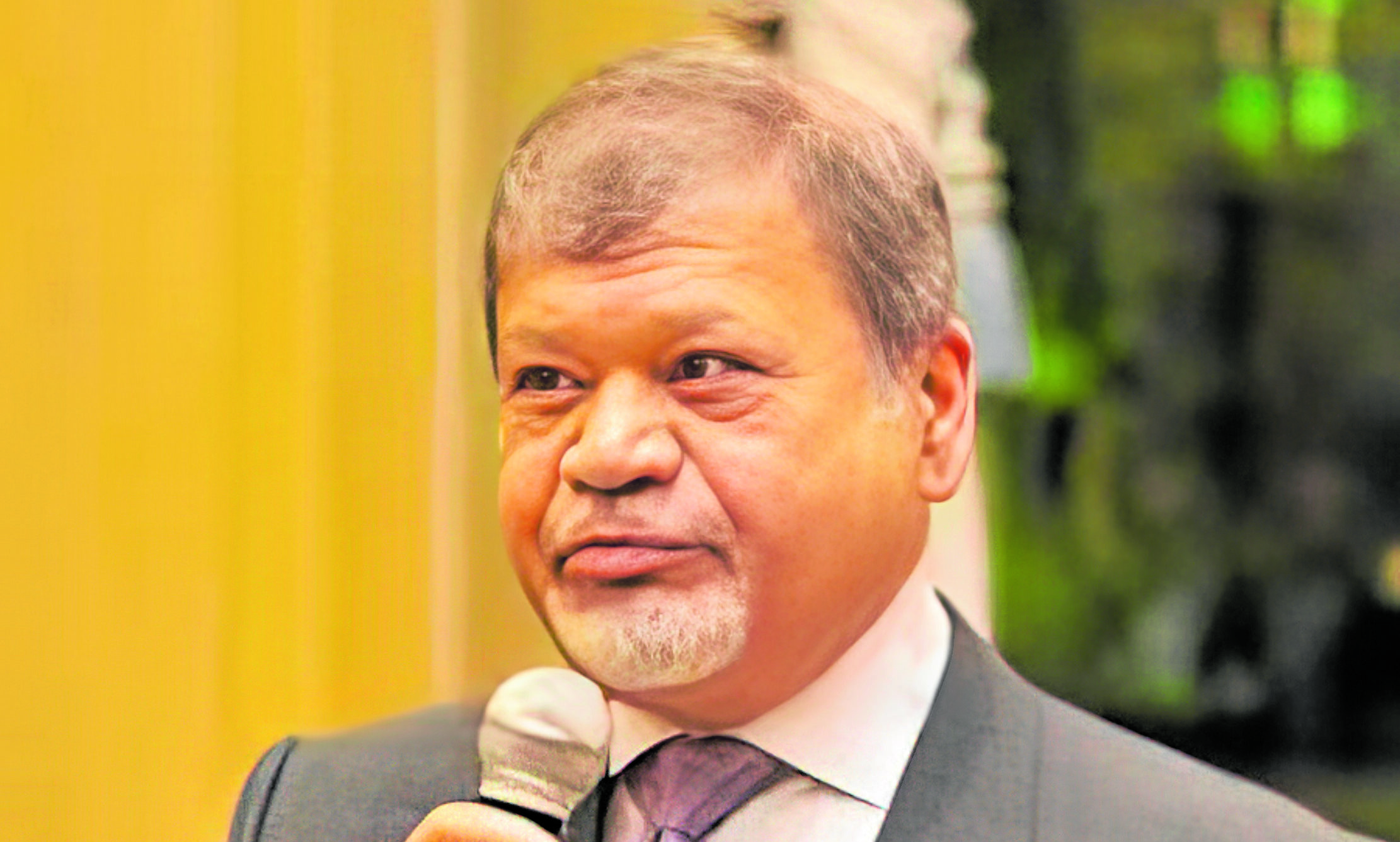
MANILA, Philippines — The Philippines risks remaining exposed to overlapping economic, security and climate shocks unless it shifts from reactive governance to long-term national planning, according to Stratbase Group president Victor Andres Manhit.
Manhit said recent years have shown how climate-related disasters, economic disruptions, heightened maritime tensions and emerging cyber threats increasingly converge, placingsimultaneous pressure on the country’s institutions and policy capacity.
“We are seeing different risks come together at the same time,” Manhit said. “When governance is fragmented or tied too closely to political cycles, the country ends up responding late and paying a much higher price.”
He said these pressures are no longer isolated challenges but interconnected risks that require sustained planning beyond electoral timelines. Without a longer horizon, policy responses tend to be piecemeal and vulnerable to disruption with every political transition.
These concerns are examined in Politiká Beyond 2028: The Urgency for Resilient Growth, Inclusive Governance and Geostrategic Thinking, a new policy book by the Stratbase Group that looks at how governance, economic security, defense and environmental resilience intersect in shaping the country’s long-term stability.
According to Manhit, effective governance remains the foundation of national resilience, particularly as public trust is strained by corruption, disinformation, and institutional weaknesses.
He added that ethical leadership and stronger institutions are critical not only for economic performance but also for safeguarding democratic stability, especially as malign influence operations increasingly target public institutions and information systems.
The country’s vulnerability to climate change has further underscored the need to strengthen governance at the local level, Manhit said, noting that disaster preparedness and recovery often depend on the capacity of local governments.
On the economic front, Manhit said resilience should not be measured solely by growth figures, but by the country’s ability to withstand external shocks and protect critical sectors.
“Economic security is about stability as much as it is about expansion,” he said. “It means ensuring our energy, food, and technology sectors can absorb global disruptions without undermining livelihoods.”
Manhit also pointed to the growing importance of non-traditional security threats, particularly in cyberspace, where disinformation campaigns and cyber intrusions have become tools of geopolitical competition.