.png) 2 months ago
41
2 months ago
41

Upgrade to High-Speed Internet for only ₱1499/month!
Enjoy up to 100 Mbps fiber broadband, perfect for browsing, streaming, and gaming.
Visit Suniway.ph to learn
MANILA, Philippines — The National Irrigation Administration (NIA) said preparatory and response measures are already underway as the Philippines faces the threat of another potentially severe El Niño, with international climate monitoring agencies warning that dry conditions could emerge in the coming months.
The latest outlooks from the US National Oceanic and Atmospheric Administration’s Climate Prediction Center show El Niño conditions are expected to develop and strengthen through late 2026, with forecasters warning of a strong event that could extend into early 2027.
For the Philippines, the concern is immediate and practical. El Niño has historically strained water supply, disrupted agricultural production, and increased risks for farming communities already exposed to prolonged dry spells and uneven water access.
In response, NIA said it had prepared mitigation and contingency measures months in advance, with implementation already underway in coordination with local government units, irrigators’ associations, and other partner agencies, particularly in high-risk and heavily agricultural areas.
“Our focus is to make sure irrigation systems remain dependable even under stressed conditions,” NIA Administrator Eddie Guillen said in earlier public statements on the agency’s El Niño preparations.
“The work involves both immediate water management and longer-term infrastructure strengthening.”
Water management strategies, innovation
Among NIA’s immediate measures are tighter water management strategies, including more efficient scheduling of dam releases and the adoption of rotational water distribution methods in vulnerable service areas.
The agency has also continued the rehabilitation of damaged dams and canals, desilting activities, water-rationing programs and the rollout of solar-powered irrigation systems intended to help stabilize water delivery in areas with limited supply.
NIA has also been promoting adjusted planting calendars and double dry cropping methods in irrigated areas as part of a broader strategy to help farmers cope with increasingly erratic weather conditions.
In 2025, the agency pushed for shifts in traditional planting schedules to reduce exposure to typhoon-related losses and improve cropping intensity in areas with reliable irrigation.
The agency said these measures are designed not only to mitigate the possible effects of a worsening El Niño, but also to strengthen the long-term resilience of the country’s irrigation systems.
Irrigation response shaped by local conditions
NIA officials noted that El Niño preparedness in the Philippines requires responses tailored to the country’s varied geographic and hydrological conditions.
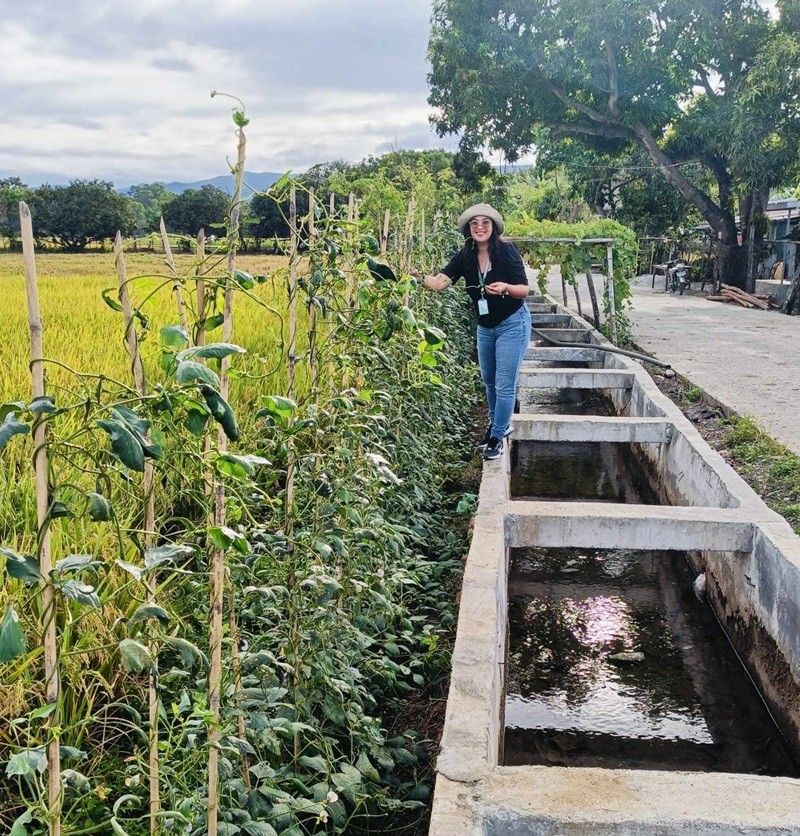
While some agricultural communities have access to major river systems such as those in Pampanga, Cagayan and Agusan, others rely on smaller reservoirs, communal systems, pump irrigation or other localized water sources. This uneven distribution of freshwater supply makes irrigation planning and water allocation critical, particularly during extended dry periods.
Across these areas, irrigation infrastructure serves as a buffer against prolonged dryness by helping sustain crop production, support planting schedules and reduce farmers’ vulnerability to climate-related disruptions.
Stakeholder coordination and food security support
NIA said stakeholder participation remains central to its approach, particularly through its coordination with Irrigators’ Associations (IAs), which help monitor local conditions, provide field-level inputs and support the maintenance and operation of irrigation systems.
The agency said these partnerships help improve planning and prioritization by ensuring that decisions are informed by seasonal cycles, local water conditions and the day-to-day realities faced by farmers on the ground.
Beyond irrigation-focused interventions, NIA is also supporting broader food security efforts. In partnership with the Quezon City local government, the agency helped pioneer the implementation of the Sagip Saka Act, making Quezon City the first local government unit to operationalize the law.
The initiative allows farmers’ produce to be sold directly to LGUs, helping improve farmer incomes while strengthening the food supply chain.
Editor’s Note: This press release from National Irrigation Administration is published by the Advertising Content Team that is independent from our Editorial Newsroom.