 8 months ago
132
8 months ago
132

Upgrade to High-Speed Internet for only ₱1499/month!
Enjoy up to 100 Mbps fiber broadband, perfect for browsing, streaming, and gaming.
Visit Suniway.ph to learn
January 3, 2026 | 11:38am
MANILA, Philippines — President Ferdinand “Bongbong” Marcos Jr. has two days to decide on the P6.793-trillion national budget, with watchdog groups warning that over P633 billion could fuel corruption or patronage politics without a veto or executive order.
In a letter addressed to Marcos himself, the People’s Budget Coalition and Roundtable for Inclusive Development said the 2026 national budget is riddled with three types of pork: hard, soft and shadow pork.
Citizen monitoring needed. The “hard pork,” they said, involves roughly P180 billion worth of infrastructure projects that are at risk of being repeated or overpriced. These kinds of projects include roads, bridges and flood control, which are “reshaped through political discretion rather than sound planning.”
Instead of an outright veto, the watchdogs said the projects should be opened to citizen monitoring.
They cited the Bantay Bisto Proyekto partnership with the Department of Public Works and Highways and other civil society groups. which publishes project details, cost, contractor, location, photos and observable items by volunteer contributors.
An executive order for more than P600 billion in infrastructure projects should also be placed under a government-funded multisectoral citizen monitoring initiative, the groups added.
Soft pork to rights-based programs
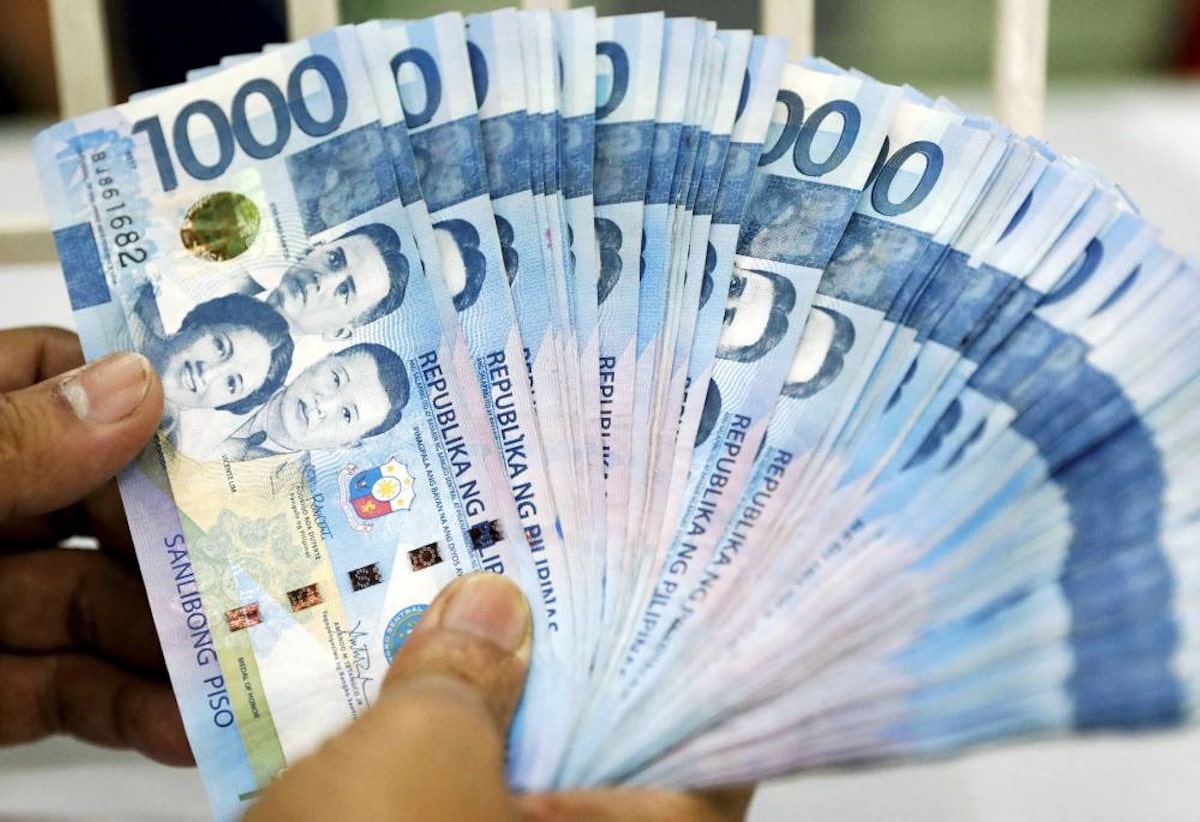
For “soft pork,” which they define as politician-mediated and discretionary programs, the watchdogs urged that the P210 billion in “ayuda” or cash dole-outs be redesigned as rights-based and rules-based programs.
These programs should be implemented according to consultations made with allied health professionals and social protection experts, they said.
Some examples of soft pork include the P11 billion worth of confidential and intelligence funds, the P51 billion budget for the Medical Assistance to Indigent and Financially Incapacitated Patients Program (MAIFIP), and the P63 billion for the Assistance to Individuals in Crisis Situations (AICS).
Audit reports show that MAIFIP and AICS have historically embedded political involvement, from guarantee letters giving beneficiaries “priority” access to assistance to cash distributions staged with public officials present, reinforcing the perception that the aid originated from them. It is what critics have called patronage politics.
The watchdogs urged President Marcos to heed calls from health care advocates to reallocate P51 billion from MAIFIP to the Philippine Health Insurance Corp. (PhilHealth) to strengthen funding for the country’s universal health care program.
Other “soft-pork” programs include:
- Tulong Panghanapbuhay sa ating Disadvantaged at Displaced Workers (TUPAD) – P25 billion
- Presidential Assistance to Farmers and Fisherfolk – P10 billion
- Tulong Dunong – P2 billion
- Financial Assistance to Local Government Units – P37 billion
- Growth and Equity Fund – P11 billion
- Support to the Barangay Development Program of the National Task Force to End Local Communist Armed Conflict (NTF-ELCAC) – P8 billion
In case Marcos can’t issue an executive order when he signs the budget, such projects could instead be placed under “conditional implementation” or “later release.”
At the same time, they said the government must ensure strict implementation of safeguards that prohibit politicians from potentially influencing a program’s beneficiaries or giving out guarantee letters, which only “encourages post-enactment intervention by legislators.”
Unprogrammed funds as shadow pork
Lastly, the budget watchdogs said the P243 billion in unprogrammed appropriations should be vetoed, describing them as “shadow pork,” given how they are released with limited transparency and legislative scrutiny and are funded only when excess revenues are realized.
Even after both the House and Senate approved versions of the budget bill that cut down the unprogrammed appropriations, the bicam simply restored them.
Reforms needed for 2027 budget
The People’s Budget Coalition and the Roundtable for Inclusive Development also credited the government for listening to civil society, citing the livestreaming of bicam meetings for the first time in the 20th Congress and wider public access to budget documents.
Funding for education and agriculture also increased after much of the flood control budget was realigned, following findings that some allocations were linked to a massive corruption scandal.
Still, the reforms must go further, including stronger civil society participation and the creation of an Open Budget Transparency Server, an idea already partly realized through BetterGov’s public budget dashboard, the group noted.
To better address the structural issues that may hound the 2027 budget, the watchdogs said Marcos should certify the following bills as urgent:
- Cadena Act for Budget Transparency
- Freedom of Information Law
- Public Financial Management or Budget Modernization Bill
- Independent People’s Commission bill
- Political Party Reforms (i.e., Anti-Dynasty Law, Campaign Finance Reforms, Party-List reforms)
Marcos is expected to sign the budget on Monday, January 5.