 3 months ago
41
3 months ago
41

Upgrade to High-Speed Internet for only ₱1499/month!
Enjoy up to 100 Mbps fiber broadband, perfect for browsing, streaming, and gaming.
Visit Suniway.ph to learn
Alexis Romero - The Philippine Star
March 29, 2026 | 12:00am
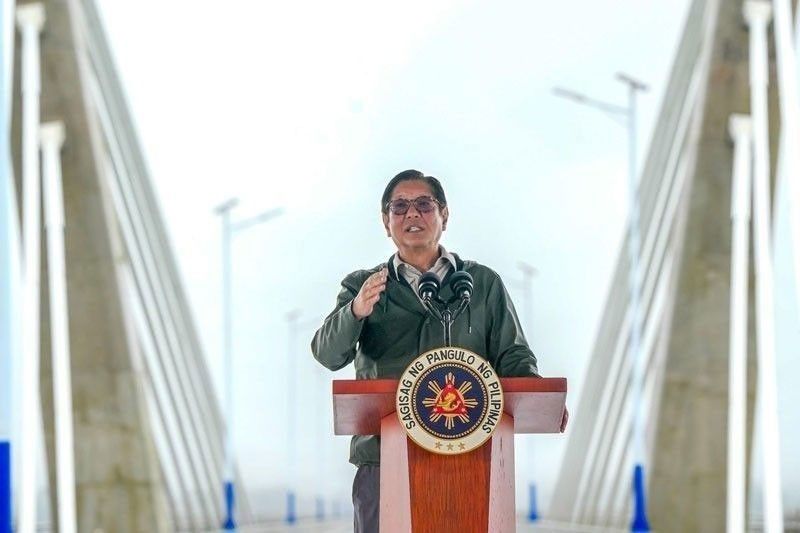
President Ferdinand Marcos Jr. at Malacañan Palace on February 11, 2026.
PPA Pool Photos by Mark Balmores
MANILA, Philippines — As the world faces oil supply concerns and price spikes caused by the Middle East conflict, President Marcos called for responsible and sustainable energy use during the observance of the Earth Hour yesterday.
“This year’s event provides a timely and relevant opportunity for us to reflect not only on the issue of climate change and environmental preservation, but also on the need to conserve energy and to limit fuel consumption amid the current global crisis,” Marcos said in a video statement posted on social media by state-run People’s Television.
“Earth Hour reminds us that how we use energy affects us all and shows not just our ways, but also the kind of future that we choose to build for our nation and our planet,” he added.
Marcos said the simple act of turning off lights for one hour goes a long way. He encouraged Filipinos to participate in the cause and be inspired by this year’s theme, “Switch on habits for Earth.”
“May the true meaning of Earth Hour be part of our lives starting tonight. Let it guide our habits, inform our actions and inspire cooperation among our communities towards responsible and sustainable energy use. Together, let us ensure that the light of the Filipino spirit continues to shine with hope for a brighter future for all,” the President said.
The government has ordered agencies to implement energy-saving measures and to comply with the Government Energy Management Program as it grapples with the effects of the war involving the US, Israel and Iran.
The measures seek to attain at least 10 percent savings, ease the impact of the Middle East conflict and ensure enough electricity supply during the hot and dry season.
The energy conservation practices include setting air-conditioning unit thermostats to no lower than 24 degrees Celsius, ensuring doors of air-conditioned spaces remain closed, adopting flexible work arrangements, turning off lights and computers when not in use, replacing lighting systems with LED and air-conditioning units with inverter technology, using appliances with higher energy efficiency ratings and using on-site renewable energy sources such as solar photovoltaic systems, where feasible.
Agencies were also tasked to submit monthly electricity and fuel consumption reports, provide an inventory of all energy-consuming equipment and prepare their respective energy efficiency and conservation plans.