.png) 1 day ago
2
1 day ago
2

Upgrade to High-Speed Internet for only ₱1499/month!
Enjoy up to 100 Mbps fiber broadband, perfect for browsing, streaming, and gaming.
Visit Suniway.ph to learn
Keisha Ta-Asan - The Philippine Star
June 1, 2026 | 12:00am
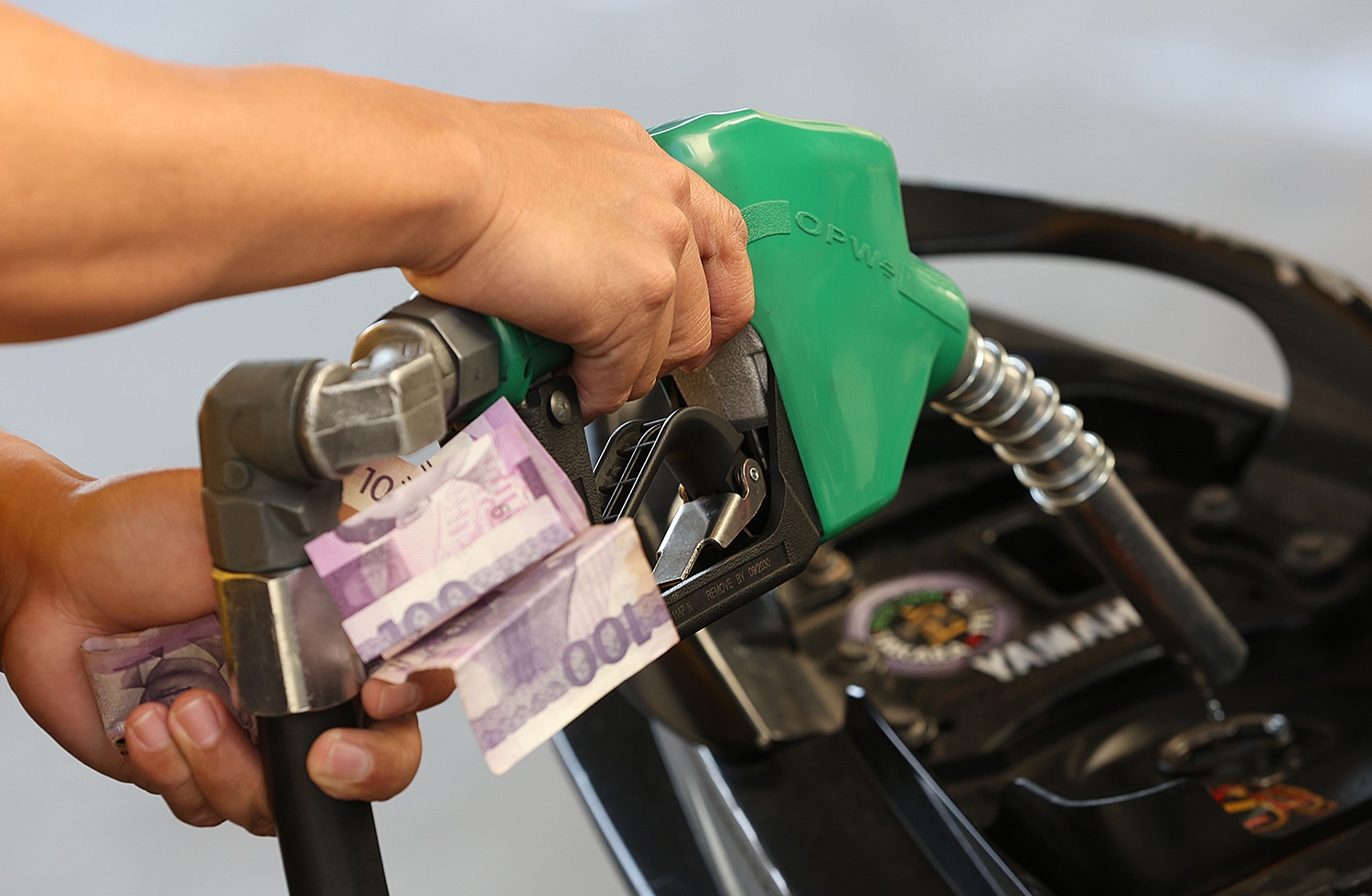
MANILA, Philippines — Inflation likely accelerated further in May and may have hit its fastest pace in more than three years as food, fuel, utility and currency pressures kept consumer prices elevated, according to economists.
A poll of 12 economists conducted by The STAR yielded a median forecast of 7.7 percent for May inflation, higher than the 7.2 percent print in April and the 1.3 percent recorded a year ago.
If realized, the May print would mark the fastest inflation rate in 39 months or since the 8.6 percent recorded in February 2023. It would also be the second straight month that inflation settled well above the Bangko Sentral ng Pilipinas (BSP)’s two to four percent target range.
The Philippine Statistics Authority is scheduled to release the May inflation data on June 5.
Forecasts ranged from 6.5 percent to 8.3 percent, with BPI lead economist Emilio Neri Jr. giving the highest estimate.
“Our point estimate is 8.3 percent, that is 0.9 percent month-on-month. Despite the fall in pump prices, increases in rice and other major food items were more than able to outweigh it,” Neri said.
He said the BSP would likely “hike forcefully” during its June 18 meeting and “might be forced to deliver an off-cycle adjustment if the print surprises on the upside.”
“If the print exceeds nine percent, the BSP may deliver a jumbo series of hikes between June 18 and their August meeting,” Neri said.
PNB chief economist Alvin Arogo and RCBC chief economist Michael Ricafort both expect inflation to accelerate to eight percent in May.
Arogo said headline inflation likely picked up further “mainly due to the persistent supply shock created by the Middle East conflict.”
However, he said there is no need for the BSP to implement an off-cycle rate hike, warning that addressing second-round effects through higher borrowing costs “may do more harm than good” as consumer and business confidence have already weakened.
“Although controlling inflation is the primary mandate of the BSP, its monetary policy statement also states that this should be ‘conducive to a balanced and sustainable economic growth.’ Therefore, further rate hike decisions should be more restrained given material economic slowdown in the coming quarters is very likely,” Arogo said.
Reyes Tacandong & Co. senior adviser Jonathan Ravelas and UnionBank chief economist Ruben Carlo Asuncion both penciled in a 7.8-percent print for May.
“The main drivers remain food, particularly rice, meat and vegetables, due to supply constraints and weather disruptions, alongside a recent uptick in global oil prices that are feeding into transport and utility costs,” Ravelas said.
According to Ravelas, a softer peso is also adding to imported inflation, while base effects are no longer as supportive.
Asuncion likewise said May inflation was likely driven by higher food prices and elevated transport costs linked to earlier increases in global oil prices.
Seasonal supply constraints and the lagged pass-through from the peso’s previous depreciation also continued to exert upward pressure on consumer prices.
“For full-year 2026, inflation is likely to settle in the 6.8 to 7.3 percent range, still above target but gradually easing toward year-end,” Asuncion said.
Pantheon Macroeconomics chief emerging Asia economist Miguel Chanco expects inflation to rise more modestly to 7.5 percent from 7.2 percent in April.
Chanco said most of the increase would likely come from housing and utilities inflation, which reacts with a lag to global energy prices. This could be partly offset by a slip in food inflation as rice prices show more stability, as well as a moderation in transport inflation after the pullback in gasoline and diesel prices from April levels.
“Our current full-year inflation forecast is 5.9 percent and we continue to believe, unlike the BSP, that it will return to within target range next year,” Chanco said.
HSBC ASEAN economist Aris Dacanay expects inflation at 7.4 percent, while Metrobank chief economist Nicholas Mapa and Ateneo Center for Economic Research and Development director Ser Percival Peña-Reyes both forecast a 7.3-percent print.
Chinabank chief economist Domini Velasquez expects inflation to hold steady at 7.2 percent in May.
“Upward price pressures for the month came from higher prices of gasoline and cooking gas prices, along with increased service prices, such as in restaurants,” Velasquez said.
She said these gains were tempered by lower prices of diesel and kerosene. Electricity rates in areas served by Manila Electric Co. also declined during the month.
“Looking ahead, estimate headline inflation to remain around seven percent for the remainder of the year. Key upside risks include prolonged elevated oil prices and second-round effects from rising energy costs,” she said.
Moody’s Analytics assistant director and economist Sarah Tan had the lowest forecast at 6.5 percent.
Tan said the inflation outlook supports further monetary tightening, with Moody’s Analytics expecting the BSP to raise its policy rate by 25 basis points at its June meeting.
The BSP raised its policy rate by 25 basis points in April to 4.50 percent, effectively ending an easing cycle that delivered a cumulative 225 basis points in rate cuts from August 2024 to February 2026.