.png) 2 months ago
37
2 months ago
37

Upgrade to High-Speed Internet for only ₱1499/month!
Enjoy up to 100 Mbps fiber broadband, perfect for browsing, streaming, and gaming.
Visit Suniway.ph to learn
Aubrey Rose Inosante - The Philippine Star
June 24, 2026 | 12:00am
In a memorandum to all government securities eligible dealers, the Bureau of the Treasury said it intends to borrow up to P1.12 trillion via the sale of short-term Treasury bills (T-bills) and long-term T-bonds from July to September.
Philstar.com / Irra Lising
MANILA, Philippines — The Marcos administration will borrow as much as P1.12 trillion from the local debt market in the third quarter, leaning heavily on domestic financing amid global uncertainties.
In a memorandum to all government securities eligible dealers, the Bureau of the Treasury said it intends to borrow up to P1.12 trillion via the sale of short-term Treasury bills (T-bills) and long-term T-bonds from July to September.
The Treasury said it would auction up to P700 billion in 91, 182 and 364-day T-bills as well as P420 billion T-bonds with maturities of three to 10 years.
The BTr holds the auction of short-dated T-bills every Monday and T-bonds every Tuesday.
Asked whether the third-quarter domestic borrowing program will help to breach the P2.05-trillion full-year plan, National Treasurer Sharon Almanza replied: “We won’t exceed the target.”
The government set its domestic borrowing plan at P784 billion in the second quarter and P824 billion in the first quarter.
Philippine Institute for Development Studies senior research fellow John Paolo Rivera said the domestic borrowing plan reflects the government’s preference to rely more on domestic financing amid global uncertainty, peso volatility and higher external borrowing costs.
“It may also signal expectations of stronger spending in the second half of the year, particularly for infrastructure and delayed projects,” Rivera said.
The Department of Budget and Management (DBM) earlier said the upcoming allotment releases for Department of Public Works and Highways (DPWH) projects should support the recovery of infrastructure spending in the coming quarters.
State infrastructure spending plummeted to 51.7 percent to P41.5 billion in April as the DPWH faces delayed budget execution, unfinished projects and stringent payment validations. This brought the four-month expenditures to P189.3 billion.
However, Rivera said that this is not necessarily “concerning” as long as borrowings are matched by efficient budget execution and productive spending.
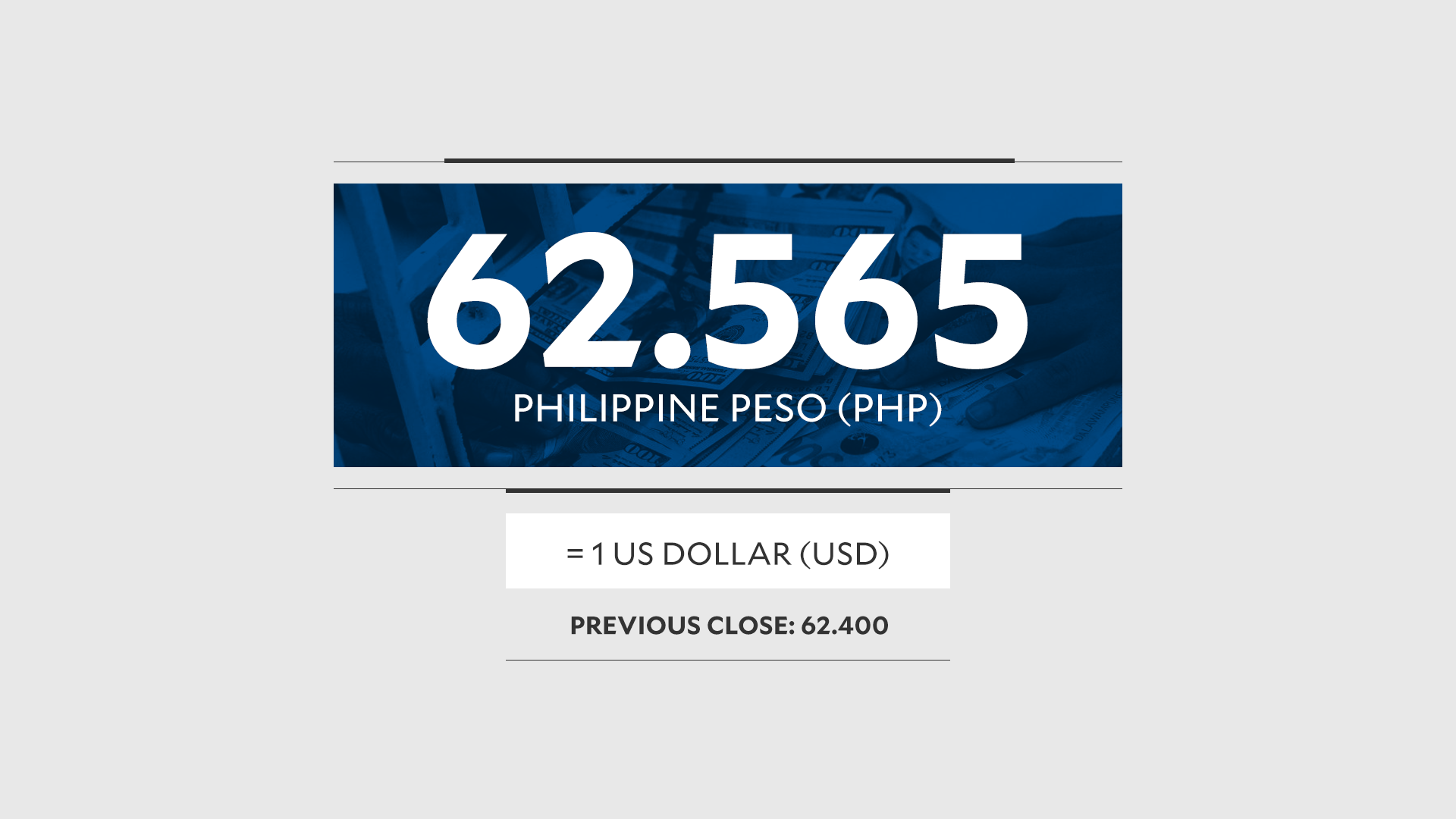
Meanwhile, Rizal Commercial Banking Corp. chief economist Michael Ricafort said the borrowing plan seeks to plug the budget deficit and also, in view of faster inflation, higher interest rates and a weaker peso.
“The national government is also waiting for lower long-term interest rates/borrowing costs before issuing RTBs (Retail Treasury bonds ) in the second half,” Ricafort said.
The Bangko Sentral ng Pilipinas raised the benchmark interest rate by 25 basis points for a second straight meeting earlier this month to 4.75 percent.
Headline inflation averaged 4.5 percent as of May, breaching the central bank’s two to four percent target.
“The national government catch-up spending, especially on infrastructure, later in 2026, also needed to be financed partly by more national government borrowings,” Ricafort said.
The Philippines earlier raised $2.5 billion from a triple-tranche sale of dollar-denominated global bonds that drew strong investor demand, marking its second foray in the international debt market this year.
Last January, the Philippines’ first foray in the global debt market for 2026 involved the triple-tranche issuance of $2.75 billion, a dual-currency issuance of $2.25 billion and €1 billion in January 2025 and a $2.5-billion triple-tranche offering in August 2024.
The Philippines borrows heavily from domestic and foreign creditors to finance the country’s budget deficit.