 2 months ago
53
2 months ago
53

Upgrade to High-Speed Internet for only ₱1499/month!
Enjoy up to 100 Mbps fiber broadband, perfect for browsing, streaming, and gaming.
Visit Suniway.ph to learn
Rainier Allan Ronda - The Philippine Star
January 24, 2026 | 12:00am
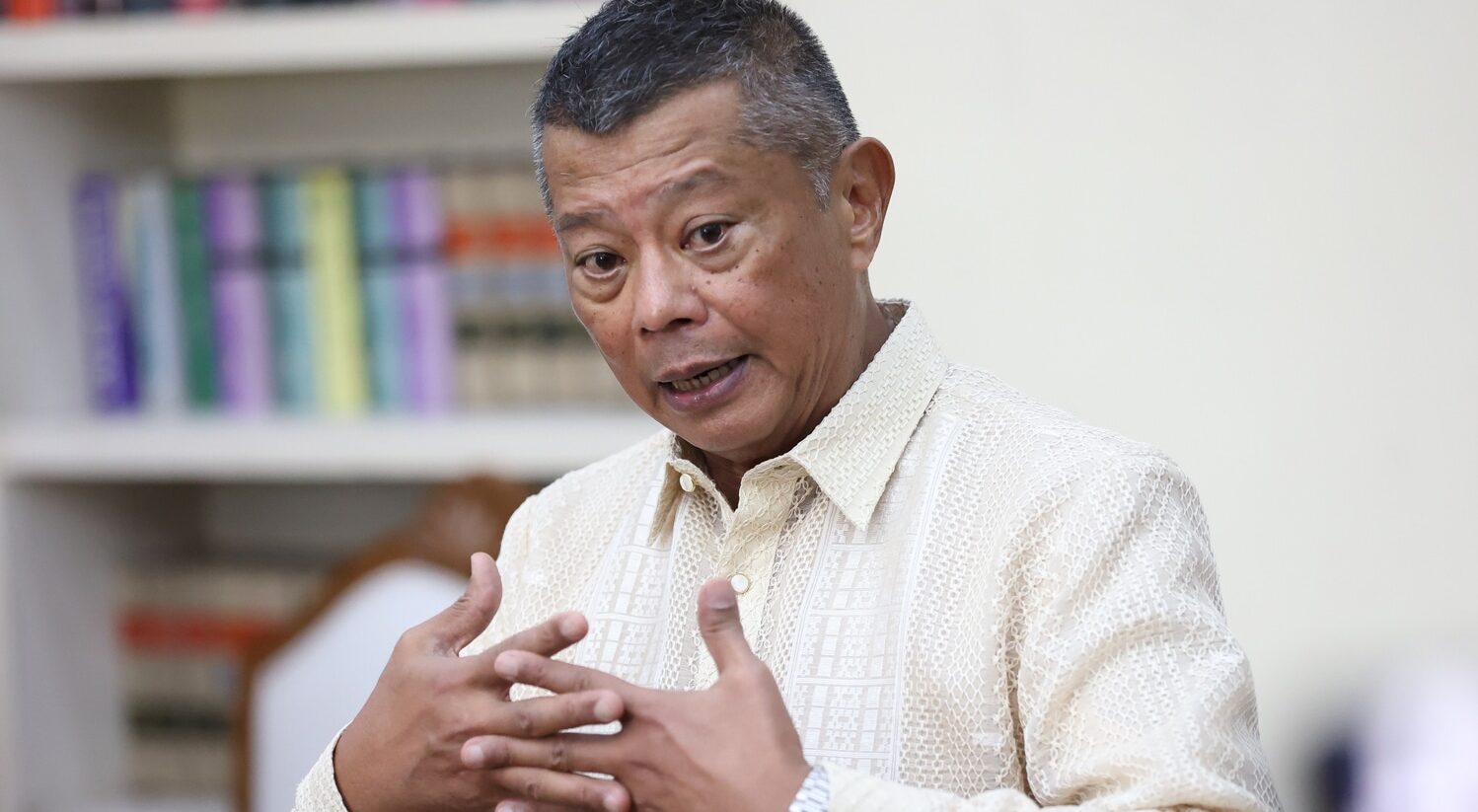
Anti-crime and corruption advocate Ben Tulfo (2nd from right) at the Pandesal Forum pushes for an implementing legislation in the bottom-up policy of the Department of Public Works and Highways for its 2027 budget. Also at the forum are (from left) DPWH Secretary Vince Dizon, Navotas Rep. Toby Tiangco, Prosecutor General Richard Fadullon and Pandesal Forum moderator Wilson Lee Flores.
MANILA, Philippines — The Department of Public Works and Highways is working to adopt a bottom-up budgeting framework to plan its budget for 2027.
Secretary Vince Dizon said they were coordinating with the private sector and civil society for the effort.
“In fact, we’re now talking with different private sector and civil society groups about the new budgetary planning process,” Dizon said at the Pandesal Forum at the Kamuning Bakery Cafe in Quezon City on Thursday. “We will do away with the allocable, non-allocable formula of (the late DPWH) undersecretary (Ma. Catalina) Cabral.”
According to the DPWH chief, identifying priority infrastructure projects based on local needs has long been government policy. However, he acknowledged that the problem in the past lay in poor and inconsistent implementation.
He pointed out there were many instances when projects not endorsed by Regional Development Councils still made it into the national budget, while projects formally endorsed by RDCs were excluded – an issue that has been a long-standing complaint of regional bodies.
Dizon said the department is finalizing a new, simplified budgeting and infrastructure budget allocation framework, developed in consultation with civil society groups, private sector representatives and business organizations, including those involved in budget transparency and citizen participation initiatives.
He added that once finalized, the proposed framework – which will serve as a replacement for the allocable formula – will be presented to President Marcos and the Department of Budget and Management (DBM) for approval.
The move forms part of the DPWH leadership’s broader push to make infrastructure budgeting more transparent, needs-based and insulated from political insertions, particularly as preparations begin for the 2027 national budget.
The anti-crime and corruption group IBMI (Ipabitag Mo) issued an appeal to the DPWH last week to adopt the bottom-up budgeting framework to solve its problem of finding a better way of allocating infrastructure funds to all the regions and congressional districts in the country, and replace the controversial and corruption-prone “allocable” system.
Anti-crime and corruption advocate Ben Tulfo, IBMI chairman emeritus, said the bottom-up budgeting policy should be institutionalized via an implementing legislation to make sure that communities are included in the decision-making and budget allocation process and prevent a repeat of the ghost flood control scam made possible by leaving the power of identifying infrastructure projects funded by the national budget to lawmakers.
Tulfo stressed that under the BUB framework, the power of identifying projects for priority funding of the national budget is first given to the barangays, then coursed through local government units, whether city or municipal, up to the provincial level and on to the RDCs which then endorse these to the national government departments and agencies.
Navotas Rep. Toby Tiangco, another panelist in the breakfast forum, said that he was willing to sponsor the filing of proposed legislation institutionalizing the BUB framework for the national government budgeting process.
Recommended


January 22, 2026 - 12:00am