 8 months ago
116
8 months ago
116

Upgrade to High-Speed Internet for only ₱1499/month!
Enjoy up to 100 Mbps fiber broadband, perfect for browsing, streaming, and gaming.
Visit Suniway.ph to learn
Cristina Chi - Philstar.com
January 6, 2026 | 5:27pm
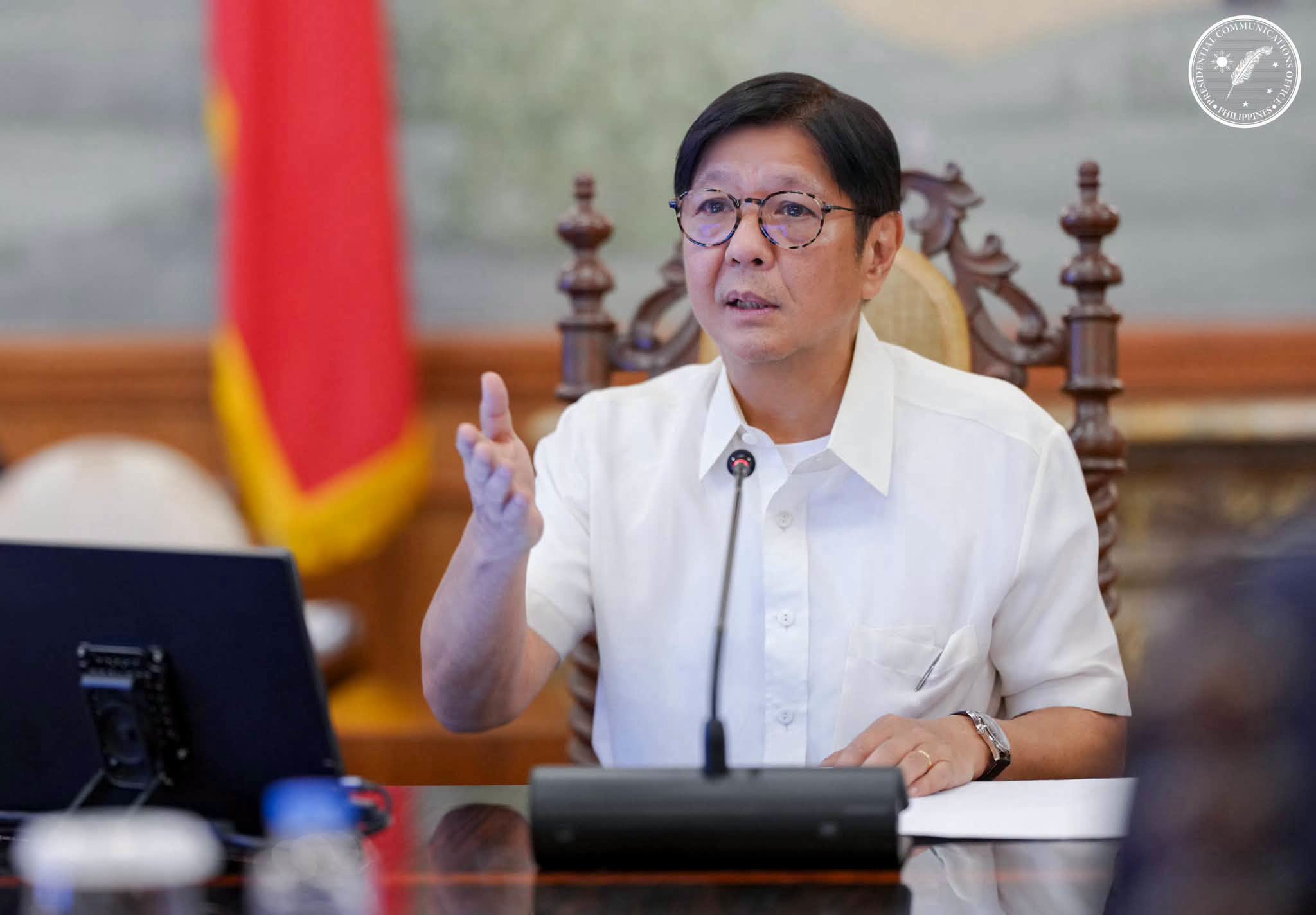
President Marcos looks over items in the 2025 General Appropriations Act during a signing ceremony at Malacañang on December 30, 2024.
Noel Pabalate
MANILA, Philippines — State universities and colleges may have to limit how many students they can admit because of uncertainty over hiring more staff after President Ferdinand Marcos Jr. vetoed P43.245 billion in personnel funding from standby funds, the Commission on Higher Education said Tuesday, January 6.
“The effect of this is that we may have limitations in increasing our number of enrollees. So, if the hiring of teaching and non-teaching staff is not clarified now, we can only admit or increase enrollment to a certain extent,” CHED Chairperson Shirley Agrupis said at a press briefing.
The veto. Marcos yesterday signed the P6.79 trillion 2026 budget but vetoed the P43.24 billion item from the unprogrammed appropriations — standby funds that government can only spend if it collects more revenue than expected during the year.
The vetoed amount included P10.77 billion for salary upgrades and P32.47 billion for retirement and terminal leave benefits.
The criticism. Rep. Antonio Tinio (ACT Teachers) condemned the veto, saying in a statement yesterday that this affects over 259,000 job order and contract workers across government, including more than 41,000 professors, instructors and administrative staff in SUCs.
"The cut means they cannot be hired as regular government employees and will have to endure yet another year as underpaid yet overworked contract workers," Tinio said.
He accused Marcos of providing no explanation for vetoing funding the president himself originally proposed in the National Expenditure Program (NEP), and making no commitment to provide supplemental appropriations to cover the gap.
The NEP is the executive branch's proposed spending plan for Congress to review and enact as the final budget law.
Because of the veto, Tinio warned that terminal leave benefits for retiring workers will be "delayed or denied, with the perennial excuse of 'lack of available funds."
The response. When asked to respond to Tinio's statement, the CHED chairperson acknowledged the move as one that would affect higher education institutions.
"Yes, that is very problematic now in higher education institutions," Agrupis said. "But the law clearly states that nothing changed there. It's just there is no additional [constract of service] or [job order positions.] But if there are additional deliverables that the present JOs or COs cannot address, that can be justified."
While the veto will not "affect the teaching and learning environment" in schools, Agrupis acknowledged that it would be the non-teaching staff facing bigger problems. Government agencies must now justify hiring additional contract workers if those jobs already exist in their organizational structures.
CHED doesn't know yet how many contract workers the veto will affect, Agrupis said.
"As of now, we don't have the data to answer that. What we can assure is that the present plantilla position with the provision of additional hiring of COS and JOs for academic position is still there," the CHED chairperson added.
Agrupis said CHED is awaiting approval of Revised Organization and Staffing Standards (ROSS) II — a plan to restructure how state universities organize their staff. ROSS I came out last year.
ROSS II would let CHED convert contract workers doing administrative jobs into permanent government positions, she added.
Marcos justified cutting the unprogrammed funds, saying employee benefits are already covered in the regular budget. He warned that unprogrammed appropriations "are not blank checks" and shouldn't become "a backdoor for discretionary spending."
The bigger problem. Budget watchdog groups earlier urged Marcos to veto what they describe as hard, soft and “shadow pork” provisions in the national budget, warning that the items undermine transparency and accountability.
The People’s Budget Coalition and the Budget Roundtable said so-called unprogrammed appropriations amount to “shadow pork” because the conditions and mechanisms for their release are not fully disclosed.