.png) 7 months ago
97
7 months ago
97

Upgrade to High-Speed Internet for only ₱1499/month!
Enjoy up to 100 Mbps fiber broadband, perfect for browsing, streaming, and gaming.
Visit Suniway.ph to learn
Keisha Ta-Asan - The Philippine Star
January 13, 2026 | 12:00am
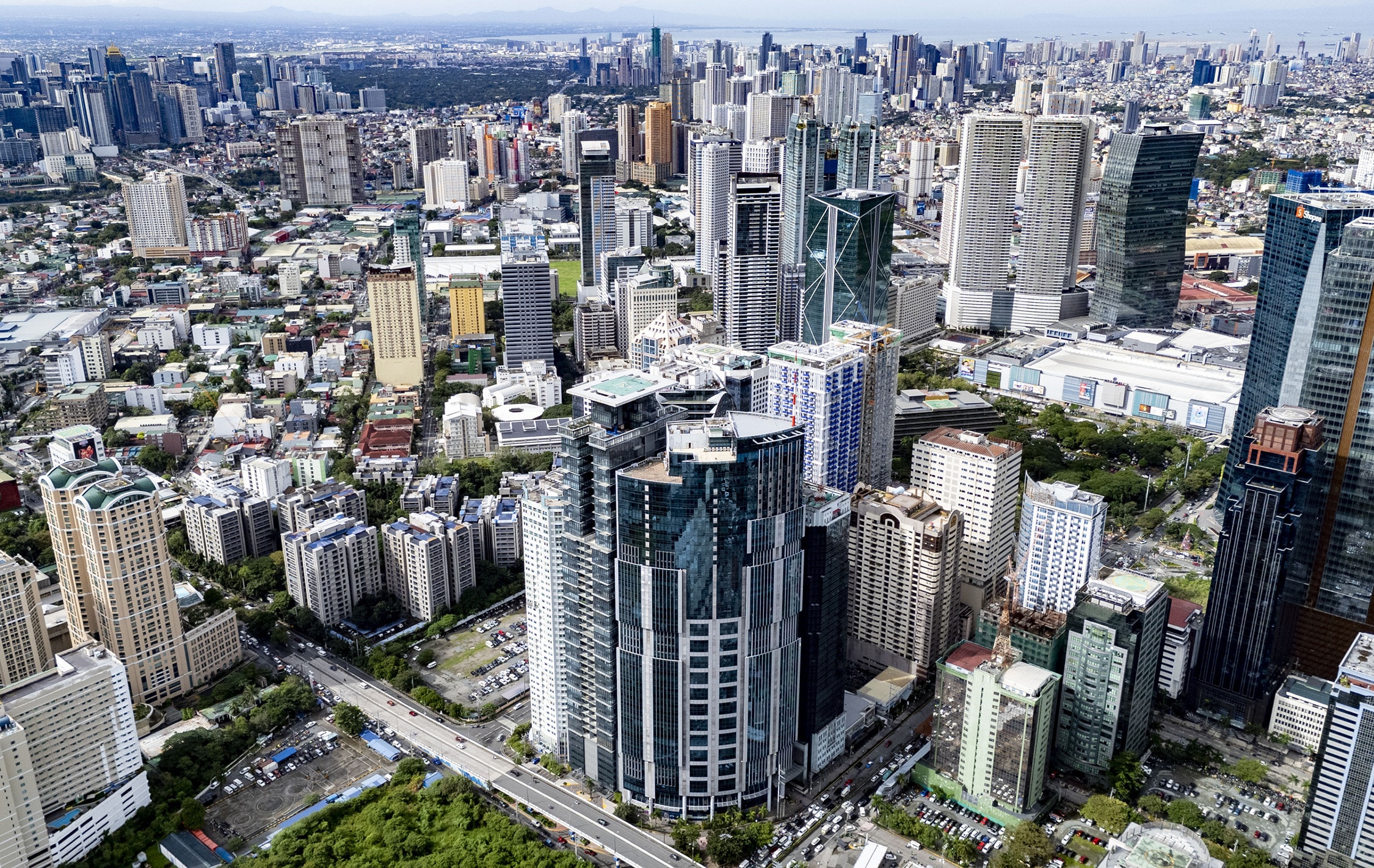
Facade of the Bangko Sentral ng Pilipinas in Manila
BSP / Released
MANILA, Philippines — The Bangko Sentral ng Pilipinas has absorbed P1.5 trillion in liquidity as of mid-November last year to keep short-term rates aligned with its policy target, underscoring the central bank’s effort to fine-tune monetary conditions after a series of rate cuts.
In its December 2025 Monetary Policy Report, the BSP said its monetary operations “effectively kept the overnight reverse repurchase rate aligned with the target reverse repurchase rate,” after it mopped up P1.5 trillion in liquidity as of Nov. 19, 2025.
Of the total, the BSP’s securities facilities accounted for the largest share at 42.4 percent of placements, while the rest were taken up by the overnight reverse repurchase facility (34.6 percent), overnight deposit facilities (17.6 percent) and term deposit facilities (5.4 percent).
The report also noted that “interest rates in the term deposit facility and the BSP Securities Facility fully reflected the cumulative 175-basis-point policy rate cuts since August 2024.”
The BSP also shifted to a single-tenor offering for its term facilities on Nov. 3, 2025. This is to “rationalize the number of liquidity facilities and concentrate on tenors that would enhance monetary policy transmission,” retaining the seven-day TDF and 28-day BSP bill.
These operational outcomes come after the Monetary Board reduced the BSP’s target reverse repurchase rate by 25 basis points to 4.50 percent at its Dec. 11, 2025 meeting, with the overnight deposit and lending facility rates adjusted to four percent and five percent, respectively.
The BSP said “the inflation outlook remains benign,” with the projection showing average inflation at 3.2 percent in 2026 and three percent in 2027, both within the government’s target of two to four percent range.
The central bank acknowledged risks around the outlook, citing a supply shock scenario from possible increases in electricity charges and higher rice tariffs as well as another scenario involving “a protracted decline in economic sentiment” tied to weaker investment growth.
Still, it stressed that “inflation expectations remain well-anchored,” based on the November 2025 BSP Survey of External Forecasters.
On policy direction, the BSP said the Monetary Board “views the current monetary policy easing cycle as nearing its end,” with any further easing expected to be limited and data-dependent, as it seeks to keep policy settings consistent with maintaining price stability conducive to sustainable growth.
The report also pointed to a softer growth backdrop. The outlook for domestic economic activity “suggests significantly slower growth in the near term,” reflecting weaker-than-expected third-quarter 2025 performance driven mainly by subdued construction activity and investments.