 9 months ago
145
9 months ago
145

Upgrade to High-Speed Internet for only ₱1499/month!
Enjoy up to 100 Mbps fiber broadband, perfect for browsing, streaming, and gaming.
Visit Suniway.ph to learn
Already have Rappler+?
to listen to groundbreaking journalism.
This is AI generated summarization, which may have errors. For context, always refer to the full article.

The bicam adopts the House version, which is more than three times larger than the Senate’s approved P68.77-billion allocation for unprogrammed appropriations
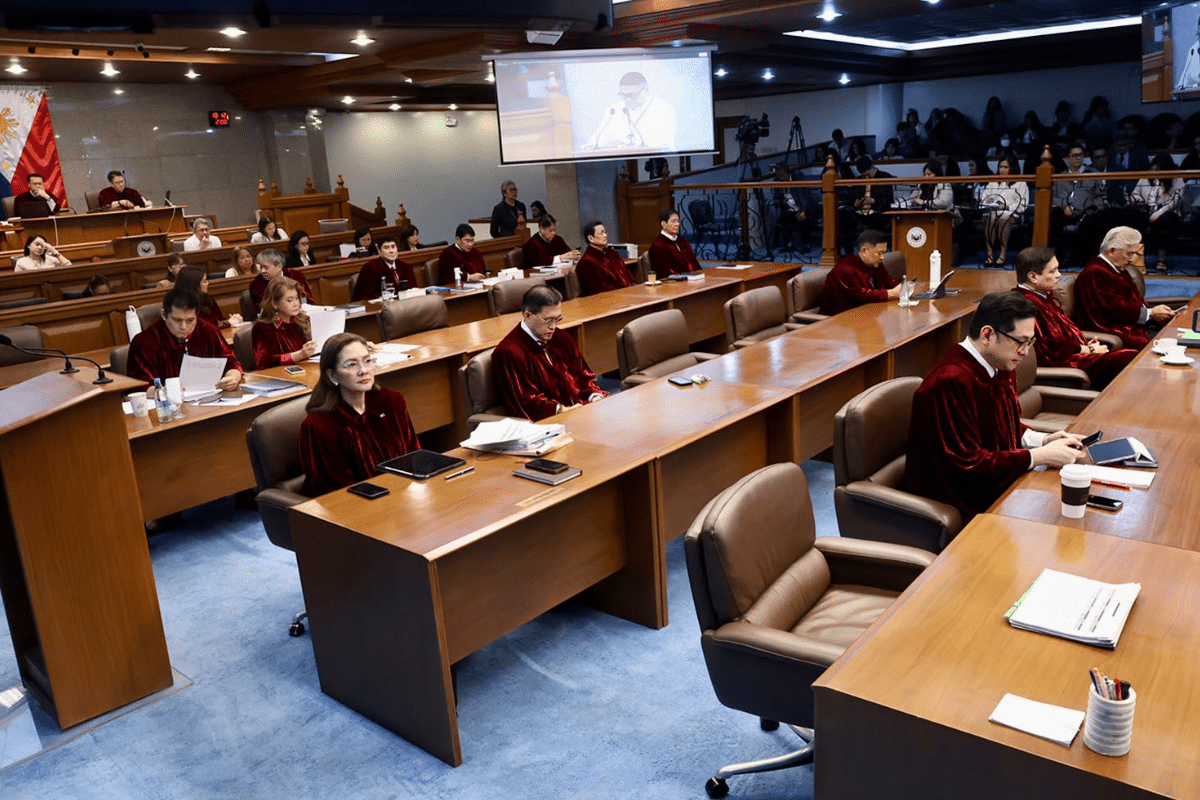
MANILA, Philippines – The bicameral conference committee approved P243 billion in unprogrammed appropriations (UA) for 2026 on Thursday, December 18.
The bicam adopted the House version, which is more than three times larger than the Senate’s approved P68.77-billion allocation for UA.
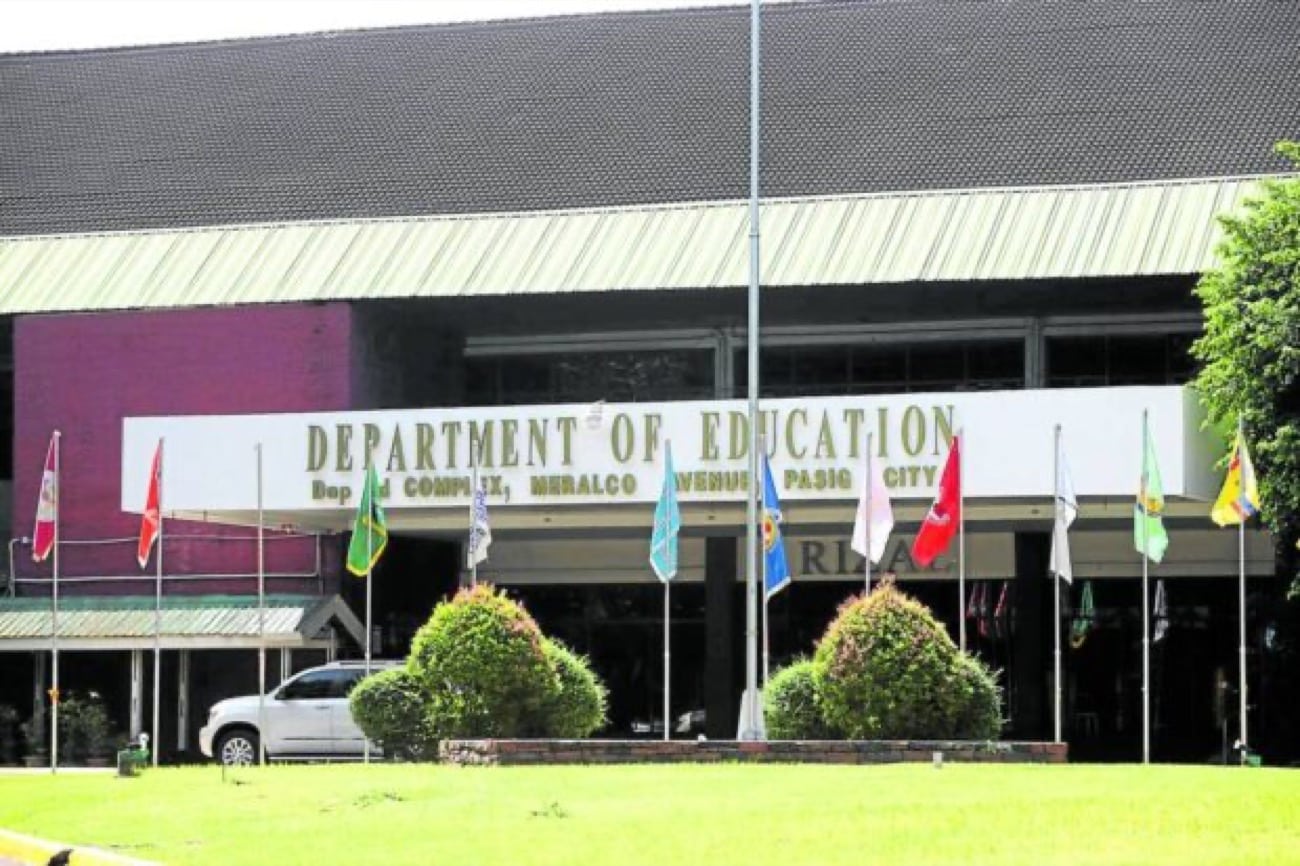
Under the National Expenditure Program (NEP), the Department of Budget and Management (DBM) initially proposed P249.9 billion for unprogrammed appropriations.
UAs have drawn scrutiny after the Philippine Center for Investigative Journalism reported that billions of pesos worth of flood control and other infrastructure projects under the Marcos administration were financed through the UA.
Senate finance committee chairperson Sherwin Gatchalian sought to allay concerns, saying the approved UA would not be used for flood control projects. He said the line item for “Strengthening Assistance for Government Infrastructure and Social Programs” was already removed from the bicam version.
Gatchalian said the remaining UA items are “targeted accounts,” including funding for the Armed Forces of the Philippines’ modernization program and support for foreign-assisted projects.
Asked why these items were not placed under programmed appropriations, Gatchalian said the amounts involved are too large to be accommodated given limited fiscal space. He added that most of the projects would not require funding until the second quarter of 2026, when resources for unprogrammed appropriations are expected to become available.
Questions over UA’s constitutionality
In the House of Representatives, at least 12 lawmakers registered their dissent during the passage of the proposed 2026 House General Appropriations Bill, citing the inclusion of UA among their points of contention.
Mamamayang Liberal Representative Leila de Lima said the UA has been marred with red flags.
“Just like the muted side discussions and long suspensions, we are dismayed and alarmed by the increased budget for UA in the bicam,” she said in a statement on Thursday.
De Lima also questioned the constititionality of UA, citing Supreme Court Associate Justice Ramon Paul Hernando’s concurring and dissenting opinion in the case involving the P60-billion PhilHealth fund transfer to the National Treasury.
For Hernando, the UA is unconstitutional and should altogether be removed from the budget.
“Without a definite and identifiable revenue stream, Congress cannot constitutionally authorize such appropriations,” de Lima said, adding that they “will continue to question the legality of unprogrammed appropriations, even if we must bring the matter before the Supreme Court.”
UA serves as standby funds sourced from new or excess government revenues and foreign loans. The DBM has said the concept was introduced more than four decades ago and retained by successive administrations to cover calamities and other unforeseen expenses.
Opposition lawmakers, however, have criticized the UA as “standby pork,” with members of the Liberal Party questioning its constitutionality before the Supreme Court in 2024.
Under the Marcos administration, unprogrammed appropriations have surged. In the first approved budget of his term in 2023, the UA reached P807.16 billion, more than triple the P251.64 billion in 2022. The amount stood at P731.4 billion in 2024 and P531.7 billion in 2025. – Rappler.com
How does this make you feel?
Loading