.png) 1 day ago
1
1 day ago
1

Upgrade to High-Speed Internet for only ₱1499/month!
Enjoy up to 100 Mbps fiber broadband, perfect for browsing, streaming, and gaming.
Visit Suniway.ph to learn
Brix Lelis - The Philippine Star
April 17, 2026 | 12:00am
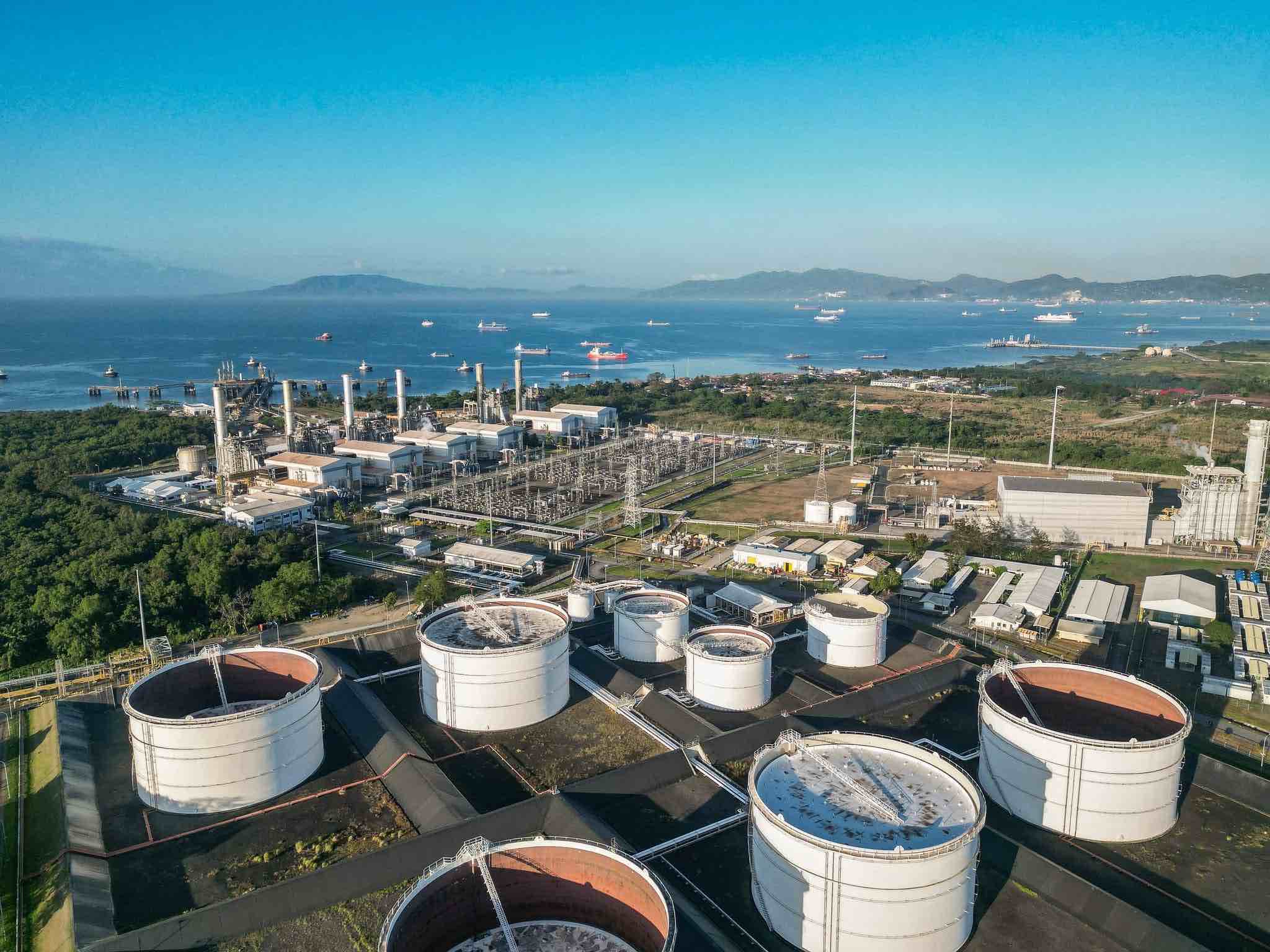
The Bataan Nuclear Power Plant (BNPP) was completed in 1984 following the global oil shocks in the early 1970s, but it was never activated due to safety concerns and political issues.
AFP / Ted Aljibe
MANILA, Philippines — Amid the global oil crisis’ looming impact on power rates, reviving the long-mothballed nuclear plant in Bataan is once again gaining traction as a way to boost energy supply and ease rising costs.
The Bataan Nuclear Power Plant (BNPP) was completed in 1984 following the global oil shocks in the early 1970s, but it was never activated due to safety concerns and political issues.
As the country once again faces energy supply pressures, Pangasinan Rep. Mark Cojuangco wants the government to finally harness the BNPP’s long-unused potential.
“We are sitting on valuable infrastructure that can significantly lower electricity costs and reduce our dependence on imported fuels,” Cojuangco told reporters yesterday.
He noted that rehabilitating the BNPP would take only about four to five years, compared to building a new nuclear plant, which would require at least six years.
The Department of Energy earlier signed a memorandum of understanding with Korea Hydro & Nuclear Power Co. Ltd. on the potential BNPP rehabilitation.
The agreement also aims to guide the Philippines in exploring other technologies and possible alternative sites for nuclear development.
South Korea currently operates a nuclear plant that is an exact twin of the BNPP, the Philippines’ first attempt to utilize nuclear energy in its power generation mix.
“For decades, we have relied on energy sources that leave us vulnerable to global shocks and volatile prices. If we are serious about securing a stable and affordable energy future, we must take a clear and deliberate path forward,” Cojuangco said.
In September 2025, President Marcos signed Republic Act 12305 or the Philippine National Nuclear Energy Safety Act, which established the country’s first independent nuclear regulatory body.
However, uncertainty over the country’s policy direction lingers as the implementing rules and regulations have yet to be issued despite the 180-day deadline mandated by law.
Under the Philippine Energy Plan, the government seeks to harness at least 1,200 megawatts of nuclear power by 2032 and scale this up to 4,800 by 2040.
Energy Secretary Sharon Garin said the government would start accepting nuclear proposals this year to ensure that application processing and eventual construction stay on track to meet national targets.